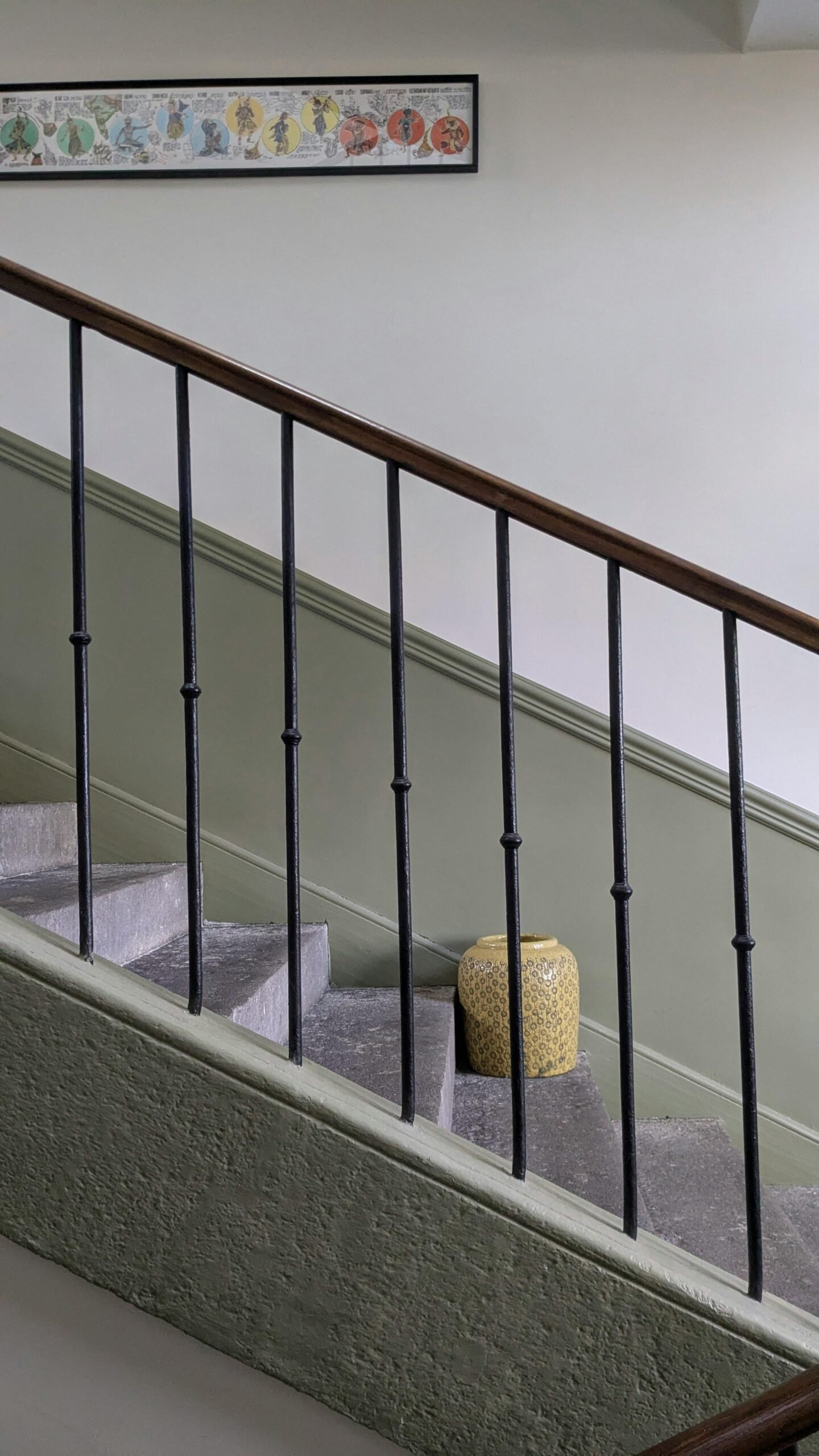
Safety features in buildings are often noticed only when they fail. However, structural support components are essential elements that protect people daily in homes, offices, and public spaces. Among these components, support rails play a vital role in preventing accidents, assisting movement, and ensuring compliance with building safety regulations.
Modern construction integrates safety structures not only for compliance but also for accessibility and user comfort. Whether installed in staircases, balconies, or ramps, these structural elements provide stability and confidence for users of all ages. Understanding their design, purpose, and technical standards helps property owners and designers create safer environments.
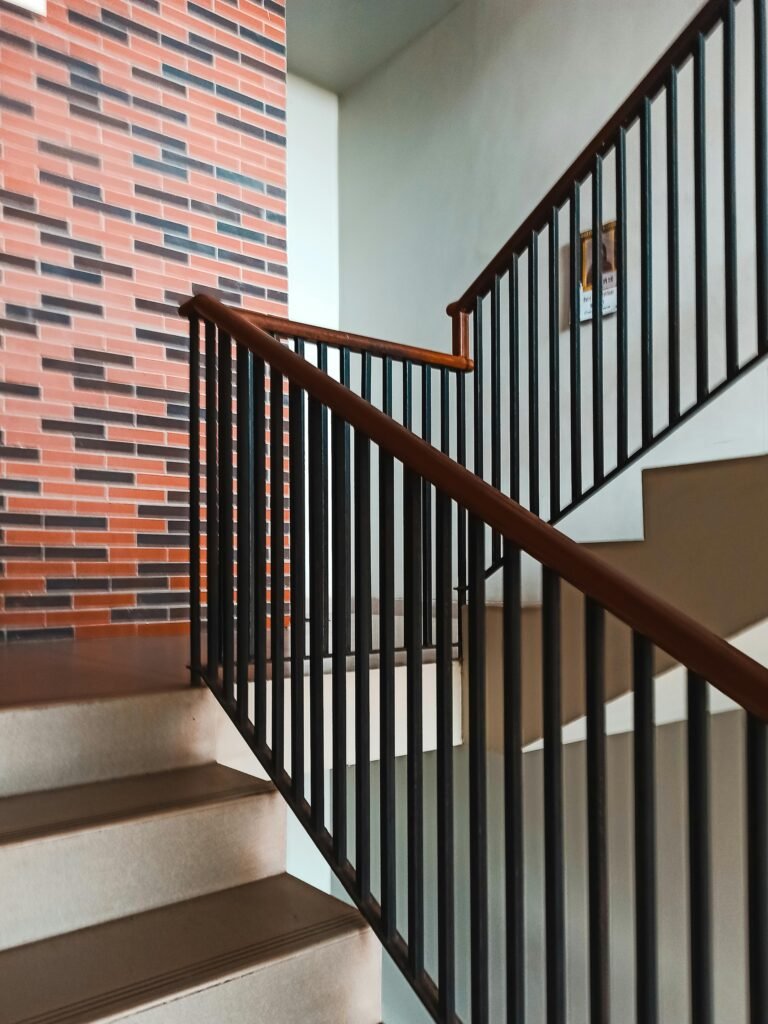
Understanding safety regulations and design standards for support structures in residential and commercial buildings
Safety regulations ensure that support installations meet minimum performance standards to prevent falls and improve building accessibility. Building codes typically define height requirements, load-bearing capacity, and spacing between structural elements.
Key regulatory considerations include:
- Minimum height requirements for stair and balcony installations
- Weight load capacity standards for structural stability
- Spacing requirements to prevent accidental slips or falls
- Material strength certification standards
Regulations vary slightly by region, but most international building standards prioritize user safety, especially in high-traffic or public-access buildings. Safety compliance is particularly important when integrating structural elements with custom interior structures or surrounding features.
In many residential projects, safety features are installed alongside interior woodwork and structural support systems similar to those found in handrail installations used in modern building interiors.
How ergonomic design improves usability and reduces fall risks for people of different age groups
Ergonomics focuses on how people physically interact with structures. Proper ergonomic design ensures safety structures are easy to grip, comfortable to hold, and positioned at accessible heights.
Important ergonomic factors include:
- Grip diameter that suits both adults and children
- Smooth surface finishing to prevent hand injuries
- Consistent installation height along walking paths
- Comfortable spacing between support posts
Ergonomic design is especially important for:
- Elderly individuals needing additional stability
- Children learning to use stairs safely
- People with mobility limitations
- High-traffic public areas
A well-designed support structure reduces fatigue and increases user confidence when moving through elevated or sloped areas.
The structural importance of support installations in staircases, balconies, and elevated walkways
Support structures act as protective barriers and stability aids. Without proper structural support, elevated areas become significantly more dangerous.
Structural safety roles include:
- Preventing accidental falls from elevated surfaces
- Providing balance support during vertical movement
- Acting as psychological safety barriers
- Supporting emergency evacuation routes
In residential environments, safety structures are often integrated with surrounding interior installations, such as storage units or wall-mounted structures. In many homes, these installations are designed to visually match nearby structural furniture systems like kitchen furniture dubai, helping maintain visual harmony while preserving safety functionality.
Material comparisons including metal, wood, glass, and composite materials for safety structures
Different materials offer unique performance characteristics depending on installation location and design goals.
Metal Support Structures
- High durability
- Strong load-bearing capacity
- Low maintenance requirements
Wood Support Structures
- Natural aesthetic appeal
- Good grip comfort
- Requires regular maintenance
Glass Support Structures
- Modern visual appearance
- Requires metal or composite framing support
- Needs frequent cleaning and inspection
Composite Materials
- High resistance to moisture and corrosion
- Lightweight but strong
- Often used in modern construction projects
Material choice depends on environmental exposure, usage frequency, and overall design integration.
How installation height, grip diameter, and spacing influence overall user safety and accessibility
Small measurement differences can significantly impact safety performance. Proper installation dimensions ensure comfortable and secure user interaction.
Key measurement considerations include:
- Installation height aligned with average user reach range
- Grip diameter suitable for firm hand closure
- Proper spacing between vertical posts
- Continuous support along walking paths
Incorrect measurements can lead to unsafe usage conditions, increasing accident risk. Professional measurement and installation planning help ensure compliance and usability.
The role of support structures in universal design and accessibility-focused construction planning
Universal design ensures buildings are accessible to people with varying mobility needs. Support installations are central to accessibility planning.
Universal design principles include:
- Continuous support across entire walking surfaces
- Integration with ramp systems
- Smooth transition points between surfaces
- Compatibility with assistive mobility devices
Modern buildings increasingly prioritize accessibility, ensuring safe movement for all users regardless of age or physical ability.
Maintenance and inspection routines that ensure long-term structural integrity and safety compliance
Regular inspection helps identify structural wear before it becomes a safety risk.
Recommended inspection routines include:
- Checking fasteners and mounting brackets every six months
- Inspecting surface coatings for wear or corrosion
- Testing stability by applying moderate pressure
- Checking surrounding wall or floor attachment points
Preventive maintenance reduces long-term repair costs and ensures consistent safety performance.
Support installations often connect with other structural interior components such as entryways and passage systems. In many custom residential layouts, these are integrated alongside features similar to custom made doors dubai installations to maintain both structural flow and design consistency.
How architectural design integrates safety features without compromising visual aesthetics
Modern architecture balances safety and aesthetics through thoughtful material selection and design integration.
Design strategies include:
- Concealed mounting systems
- Minimalist structural profiles
- Matching finishes with surrounding materials
- Integrating lighting elements for visibility and style
Architects increasingly treat safety features as design elements rather than purely functional components.
Conclusion
Support structures are fundamental components of building safety, accessibility, and usability. Proper design, material selection, and installation planning ensure these structures provide long-term stability and protection. As modern buildings prioritize accessibility and ergonomic design, safety structures continue evolving to meet both functional and aesthetic demands.
Understanding these structural elements allows property owners and designers to create safer, more comfortable living and working environments.
FAQs
What are the main safety standards for support structures in buildings?
They typically include height requirements, load-bearing capacity, spacing between structural elements, and material strength certification.
How do material choices impact long-term durability?
Materials determine resistance to corrosion, moisture, and physical wear. Metal and composite materials generally offer longer lifespans.
What height is generally recommended for safety support installations?
Most standards recommend installation heights between 85–100 cm depending on building type and location.
How often should safety structures be inspected?
Professional inspection is usually recommended once or twice per year depending on usage intensity.
What design features improve grip and usability?
Rounded grip shapes, smooth finishing, consistent height, and ergonomic diameter all improve usability.
Are safety supports required in all types of buildings?
Most building codes require them in staircases, balconies, ramps, and elevated walkways for safety compliance.