
Modern cities rely heavily on specialized construction and finishing services to create functional and aesthetically pleasing spaces. Carpentry plays a central role in this process, helping shape interiors, exteriors, and structural elements using wood and other materials. In fast-developing urban regions, professional carpentry services have become essential to both residential and commercial construction.
Understanding how carpentry companies operate helps property owners, designers, and construction planners make informed decisions. From material selection to installation accuracy, carpentry contributes to structural stability, interior design, and long-term durability. This guide explores the full scope of professional carpentry services and their role in modern construction environments.
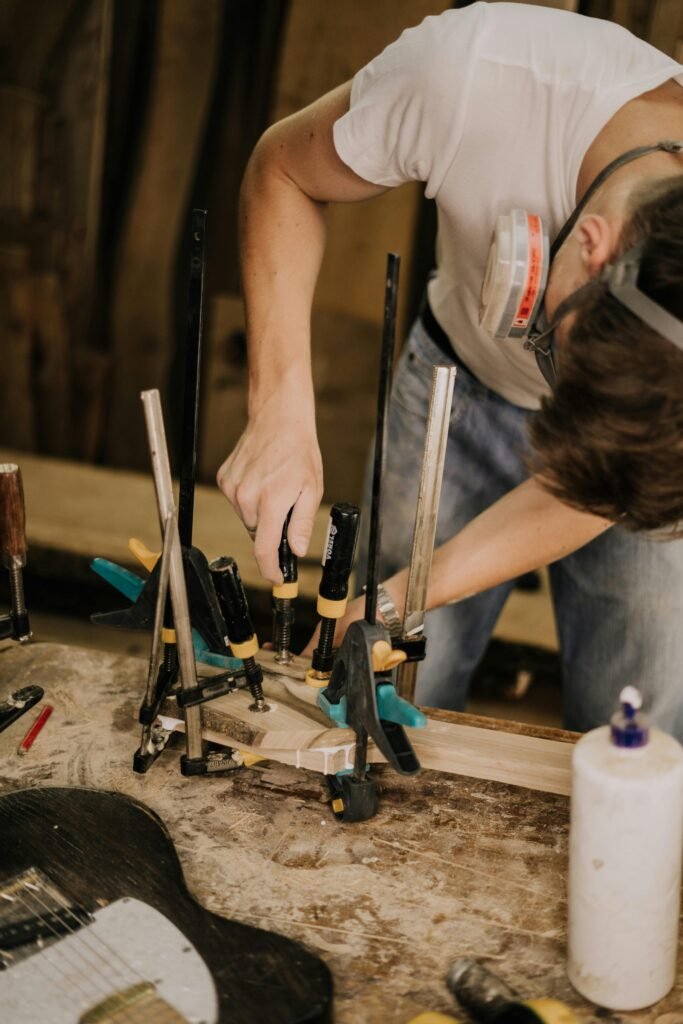
Understanding the role of professional carpentry services in urban construction projects
Professional carpentry services form the backbone of many construction and renovation projects. Their work extends far beyond simple wood cutting or furniture making. In large cities, carpentry teams often collaborate with architects, engineers, and interior designers.
In many construction environments, a carpentry company in dubai typically supports projects through:
- Structural wood framing for buildings
- Custom interior installations
- Exterior wooden architectural features
- Decorative finishing work
- Restoration and repair services
Urban construction projects often demand precision and consistency. Professional carpentry teams help ensure measurements align with architectural designs, reducing construction errors and delays. Their involvement begins in early planning stages and continues through final installation and finishing.
How carpentry companies manage material selection for durability and climate resistance
Material selection is one of the most important aspects of carpentry work. Environmental factors such as humidity, temperature changes, and sunlight exposure can significantly affect wood performance over time.
Carpentry professionals usually evaluate materials based on:
- Moisture resistance
- Strength and load-bearing capacity
- Resistance to insects and pests
- Expansion and contraction behavior
- Long-term maintenance requirements
For interior design applications, materials like engineered wood, hardwood, and composite materials are commonly used. For exterior structures, treated wood or specialized composite materials are often selected to withstand harsh environmental conditions.
Proper material selection directly impacts structural lifespan, safety, and overall project sustainability.
Why custom woodwork solutions are important for residential and commercial buildings
Standardized construction solutions often cannot meet the specific requirements of modern architecture. Custom woodwork allows designers to adapt spaces according to functional and aesthetic needs.
For example, interior finishing may include decorative elements such as a wood panel that enhances insulation while also improving visual appeal. Custom wood solutions provide flexibility for both small and large projects.
Custom carpentry benefits include:
- Space optimization in compact environments
- Unique architectural identity
- Improved storage solutions
- Better integration with modern interior designs
- Higher structural precision
Custom woodwork is especially valuable in commercial spaces where branding and user experience depend heavily on interior presentation.
Exploring traditional craftsmanship methods versus modern carpentry technologies today
Carpentry has evolved significantly over the past few decades. Traditional craftsmanship relied heavily on manual tools and techniques passed down through generations. While these methods are still valued, modern carpentry integrates advanced technologies for improved accuracy and efficiency.
Traditional carpentry strengths:
- Handcrafted detailing
- Artistic finishing quality
- Deep material knowledge
- High customization potential
Modern carpentry technology advantages:
- Computer-aided design (CAD) planning
- Automated cutting machines
- Laser measurement tools
- Faster project completion timelines
The combination of traditional skills and modern technology allows carpenters to deliver high-quality results while maintaining efficiency and precision.
How project planning and site measurement ensure accurate carpentry installations
Precise planning and measurement form the foundation of successful carpentry installations. Even small measurement errors can cause structural or aesthetic problems later.
Professional carpentry teams typically follow a structured workflow:
- Site inspection and environmental assessment
- Digital or manual measurement verification
- Material planning and quantity estimation
- Installation simulation or design preview
- On-site installation and alignment testing
For outdoor structures, advanced installations may include specialized design elements such as a pergola glass structure, which requires extremely accurate alignment and structural balance.
Accurate planning reduces material waste, prevents installation delays, and ensures long-term structural stability.
Environmental considerations and sustainable sourcing in carpentry operations globally
Sustainability is becoming increasingly important in construction industries worldwide. Many carpentry companies now focus on environmentally responsible sourcing and waste reduction practices.
Common sustainability strategies include:
- Using certified sustainable wood sources
- Recycling wood waste into composite materials
- Using low-emission adhesives and finishes
- Designing long-lasting structures to reduce replacement frequency
Eco-friendly carpentry practices not only help protect natural resources but also contribute to healthier indoor air quality and improved building performance.
Common safety standards and certifications followed by professional carpenters worldwide
Safety is a critical component of professional carpentry work. Carpentry involves heavy equipment, sharp tools, and structural installations that require strict adherence to safety standards.
Professional carpenters typically follow safety practices such as:
- Personal protective equipment (PPE) usage
- Machinery safety training
- Fall protection protocols
- Fire safety compliance
- Material handling training
Many professionals also pursue certifications in construction safety, technical carpentry training, and specialized installation techniques. These certifications ensure consistent quality and safe project execution.
Conclusion
Carpentry companies play a vital role in shaping modern construction and interior design. From structural framing to decorative finishing, professional carpentry services contribute to building durability, functionality, and aesthetic appeal. With the integration of advanced technology and sustainable practices, carpentry continues to evolve alongside modern construction demands.
Understanding how carpentry services operate helps property owners, designers, and developers make better project decisions and achieve long-lasting results.
FAQs
What services does a professional carpentry company typically provide?
They typically provide structural framing, custom furniture creation, interior finishing, exterior wood installations, and repair or restoration services.
How does carpentry support modern architectural design requirements?
Carpentry enables customized structures, complex interior layouts, and unique design elements that standard construction methods cannot provide.
What materials are most commonly used in professional carpentry projects?
Common materials include hardwood, engineered wood, plywood, MDF, composite wood, and treated timber for outdoor applications.
How long do custom carpentry projects usually take to complete?
Project timelines vary depending on complexity, material availability, and installation requirements. Smaller projects may take days, while large installations may take weeks.
What certifications or training should professional carpenters have?
Professional carpenters often hold technical certifications, safety training credentials, and specialized installation training depending on project type.
How does climate affect woodwork durability in different regions?
Climate affects moisture levels, wood expansion, pest exposure, and material aging. Proper material selection and treatment help maintain durability in different environments.