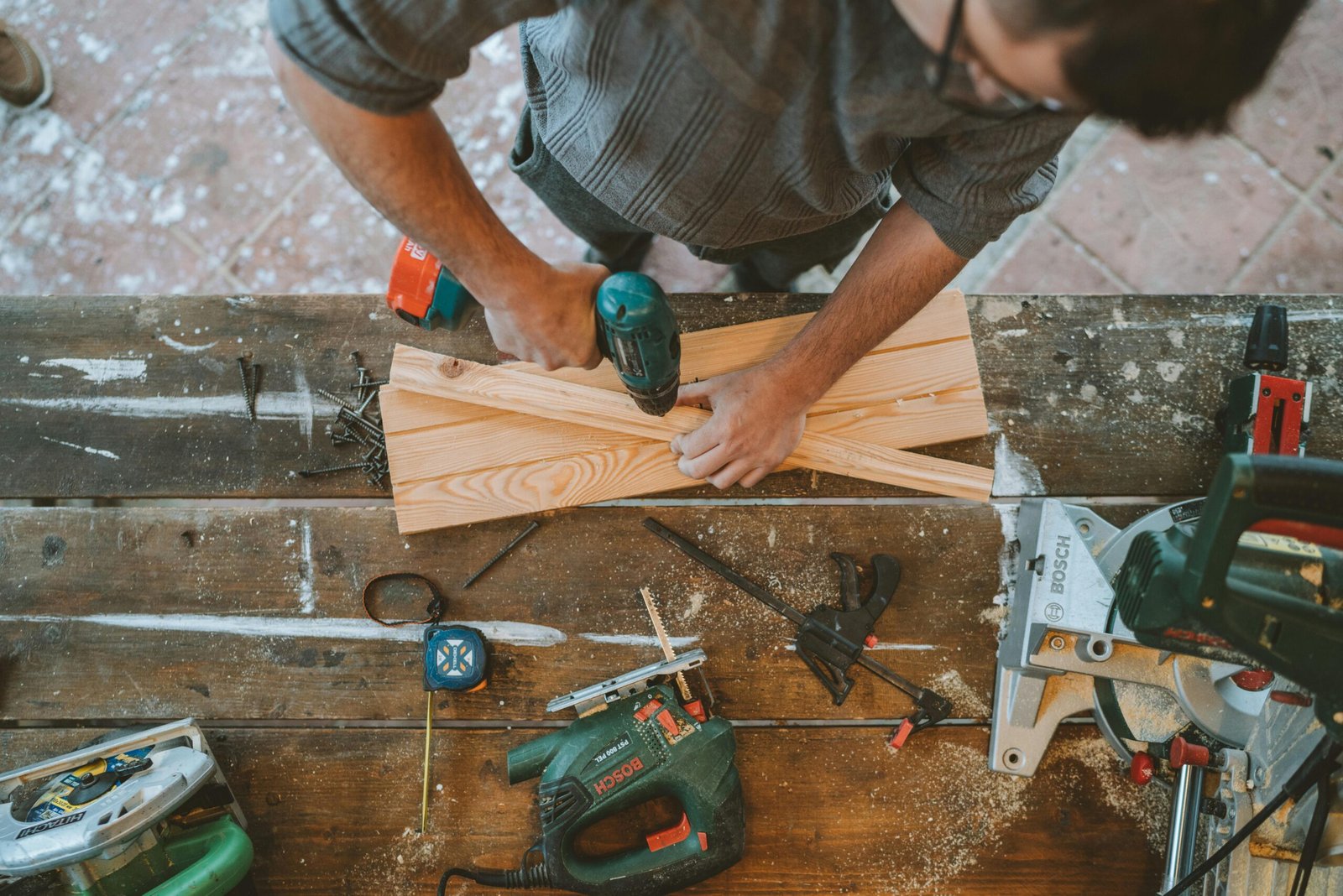
Choosing the right carpentry service is an important decision for homeowners, property managers, and business owners who want durable and well-finished interior woodwork. Quality carpentry impacts not only the appearance of a space but also its functionality, safety, and long-term maintenance requirements.
In rapidly developing cities, interior wood solutions are widely used in residential apartments, offices, retail stores, and hospitality spaces. Understanding how professional carpentry services operate and what standards define quality workmanship helps people make informed decisions and avoid common mistakes during project planning.
Understanding the role of professional carpentry services in residential and commercial interior development projects across modern urban environments
Professional carpentry services play a crucial role in shaping interior environments. They handle structural installations, decorative woodwork, storage systems, and functional furniture integration.
In modern urban spaces, carpentry contributes to:
- Space optimization in compact apartments
- Custom storage solutions for offices
- Decorative interior enhancements
- Structural wooden installations
- Functional furniture integration
When researching a reliable provider, many people start by reviewing portfolios, past project examples, and service scope. Understanding how an experienced carpentry company in dubai typically approaches project planning can help clarify expectations around design consultation, measurements, and installation processes.
Professional carpenters often collaborate with interior designers, architects, and contractors to ensure cohesive results across structural and decorative elements.
Key materials and wood types commonly used in structural and decorative interior carpentry installations and their long term durability factors
Material selection directly affects durability, maintenance requirements, and appearance. Different wood types serve different purposes depending on usage intensity and environmental conditions.
Common materials include:
Solid Wood
- Strong structural performance
- Natural grain patterns
- Long lifespan with proper care
Engineered Wood (MDF, Plywood)
- Cost-efficient for large panels
- Stable against warping
- Suitable for decorative applications
Laminate and Veneer Finishes
- Provide aesthetic flexibility
- Protect underlying materials
- Reduce maintenance complexity
Durability factors to consider include humidity resistance, load-bearing capacity, and finishing quality. In coastal or humid environments, treated or engineered wood often performs better than untreated solid wood.
How design planning and measurement accuracy influence final carpentry outcomes and structural safety over extended usage periods
Accurate planning is essential for achieving reliable and visually balanced carpentry results. Even small measurement errors can affect installation quality and structural performance.
Key planning components include:
- Site inspection and measurement verification
- Material selection based on environmental exposure
- Structural load analysis for mounted elements
- Integration with electrical or plumbing systems
Precise measurement ensures proper fitting of installations such as storage units, wall panels, and decorative structures. This becomes especially important for installations like room separation features, where alignment and stability are critical when installing elements such as a wooden divider within open-plan layouts.
Proper planning reduces material waste and minimizes installation adjustments during later stages.
Differences between custom built carpentry solutions and pre manufactured furniture in terms of longevity and adaptability
Custom carpentry solutions offer flexibility that pre-manufactured furniture often cannot provide. Each approach has advantages depending on project goals and space limitations.
Custom Carpentry Advantages
- Tailored to exact room dimensions
- Designed for specific functional needs
- Better integration with architectural features
Pre-Manufactured Furniture Advantages
- Faster installation
- Standardized quality
- Lower customization complexity
Custom-built solutions are often preferred for irregular layouts, wall-integrated systems, or multi-purpose installations. They allow for design modifications based on lifestyle needs, especially in compact urban living environments.
Important quality indicators that help evaluate workmanship standards in complex interior wood installation projects
Evaluating craftsmanship quality requires attention to both visible and hidden details.
Look for:
- Smooth edge finishing without splinters
- Precise joint alignment
- Consistent surface finishing
- Strong hardware integration
- Stable installation with no movement
High-quality carpentry also ensures proper finishing techniques such as sealing, polishing, and protective coating. These steps protect wood from moisture exposure and daily wear.
Inspecting previous projects or requesting sample material finishes can help assess quality standards before starting a project.
How climate, humidity, and environmental exposure influence wood performance inside buildings over time
Environmental factors significantly affect wood performance, especially in regions with temperature fluctuations or high humidity levels.
Humidity can cause:
- Wood expansion
- Surface cracking
- Joint loosening
Preventive strategies include:
- Using treated wood materials
- Applying protective sealants
- Allowing proper air circulation around installations
For example, wall-mounted entertainment installations such as a tv unit uae must be designed considering heat exposure from electronics and air circulation requirements to maintain structural stability over time.
Environmental planning ensures longer lifespan and reduces repair frequency.
Understanding project timelines and workflow stages involved in complex interior carpentry implementation processes
Carpentry projects typically follow structured workflow stages that help maintain quality and efficiency.
Typical Project Stages
- Consultation and Requirement Analysis
- Space assessment
- Functional needs discussion
- Preliminary design ideas
- Design and Material Selection
- Technical drawings
- Material approval
- Cost estimation (non-binding during planning stage)
- Fabrication Phase
- Material cutting
- Component assembly
- Surface finishing preparation
- Installation and Final Adjustments
- On-site fitting
- Alignment checks
- Finishing touches
Clear timelines help coordinate with other construction activities and reduce project delays.
Conclusion
Selecting a professional carpentry service requires understanding materials, craftsmanship quality, planning accuracy, and environmental considerations. A well-executed carpentry project improves both the functionality and aesthetic value of interior spaces.
Taking time to research project requirements, materials, and installation methods helps ensure long-term performance and structural reliability. Knowledge of carpentry fundamentals allows property owners to communicate clearly with professionals and achieve better project outcomes.
FAQs
What services are typically included in professional carpentry solutions?
Professional carpentry services usually include design consultation, material selection, fabrication, installation, finishing, and maintenance guidance.
How long does custom interior woodwork usually last?
With proper materials and maintenance, custom woodwork can last 10–25 years or longer depending on usage and environmental exposure.
What types of wood are most commonly used in interior projects?
Common options include solid hardwood, plywood, MDF, veneer finishes, and laminated engineered boards.
How can I verify quality craftsmanship in wood installations?
Check previous projects, inspect finishing details, evaluate material quality, and confirm measurement accuracy during planning stages.
What preparation is required before starting interior carpentry work?
Preparation usually involves space measurement, design planning, material selection, structural evaluation, and coordination with other construction work if required.