
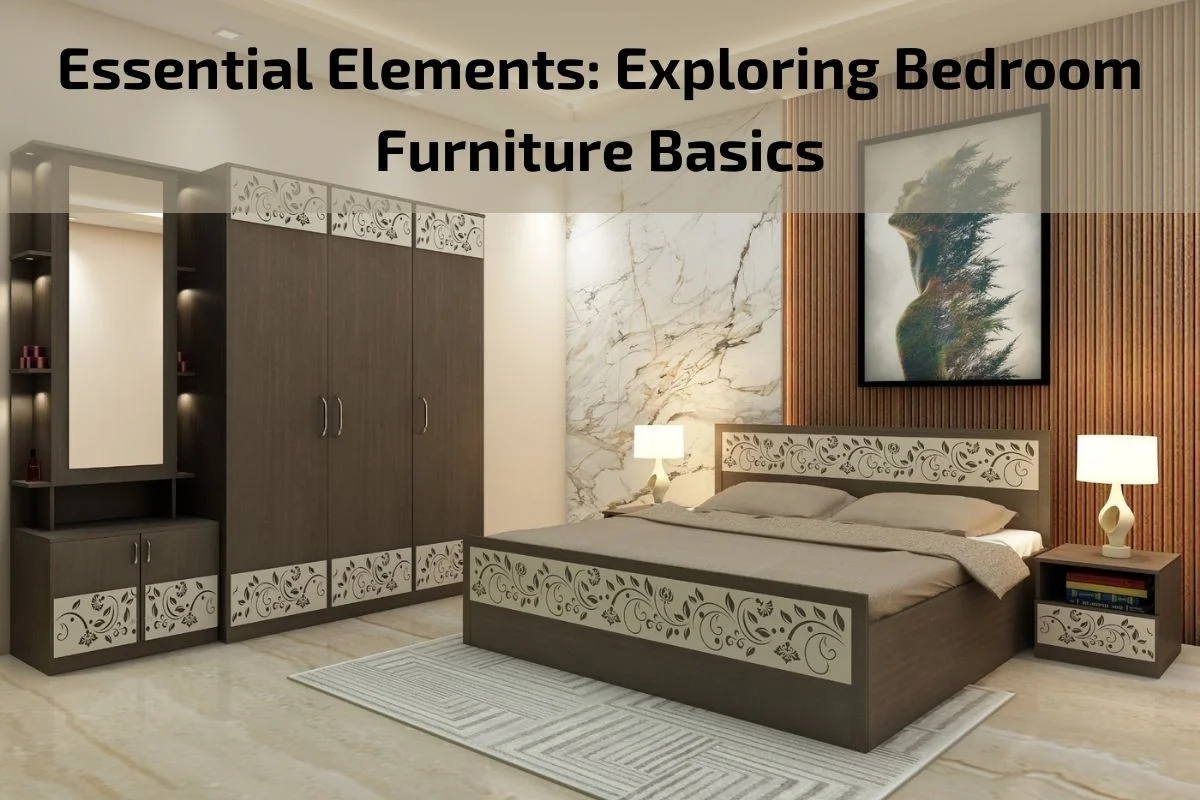
Your bedroom is more than just a place to sleep—it’s your personal sanctuary. The right furniture can transform it into a comfortable, organized, and stylish retreat.
From the bed as the focal point to nightstands, dressers, wardrobes, and seating, every piece plays a role in shaping the room’s ambiance and functionality. Whether you’re furnishing a new bedroom or refreshing an existing one, understanding the basics of bedroom furniture helps you balance comfort, storage, and design. In this guide, we’ll explore essential furniture pieces, size considerations, storage solutions for small spaces, maintenance tips, and how to create a layout that blends beauty with practicality.
Welcome to “Essential Elements: Exploring Bedroom Furniture Basics.” Your bedroom is more than just a place to sleep—it’s your sanctuary, your retreat from the world, and a reflection of your personal style and preferences. At the heart of any bedroom lies the furniture, which not only serves functional purposes but also sets the tone for the overall ambiance and design of the space.
In this guide, we embark on a journey to explore the fundamental aspects of bedroom furniture, from the essential pieces that anchor the room to the considerations that influence your choices. Whether you’re furnishing a new bedroom or giving your existing space a makeover, understanding the basics of bedroom furniture is essential for creating a comfortable, functional, and aesthetically pleasing sleep environment.
Overview of Bedroom Furniture
Bedroom furniture encompasses a wide range of essential pieces that contribute to creating a comfortable, functional, and aesthetically pleasing sleep environment. From the focal point of the room—the bed—to the various storage solutions and decorative accents, each piece of bedroom furniture plays a vital role in shaping the ambiance and functionality of the space.
Here’s a brief overview of the key elements of bedroom furniture:
- The Bed: The centerpiece of any bedroom, the bed serves as the focal point and foundation of the sleep space. Beds come in various sizes, styles, and designs, ranging from platform beds and sleigh beds to canopy beds and upholstered headboards.
- Nightstands and Bedside Tables: Nightstands provide convenient storage and surface space for bedside essentials such as lamps, alarm clocks, books, and glasses of water. They come in a variety of shapes, sizes, and materials, offering options to complement any bedroom decor.
- Dressers and Chests: Dressers and chests provide essential storage space for clothing, linens, and personal items. Available in a range of sizes and configurations, these pieces often feature drawers, cabinets, and shelves to help keep the bedroom organized and clutter-free.
- Wardrobes and Armoires: Wardrobes and armoires offer additional storage options for hanging clothes, accessories, and other items that require ample vertical space. They come in various styles, including freestanding units and built-in closets, providing flexibility to suit different bedroom layouts and storage needs.
- Seating Furniture: Seating options such as benches, accent chairs, and chaise lounges add comfort, functionality, and style to the bedroom. These pieces provide cozy spots for reading, relaxing, and dressing, enhancing the overall comfort and versatility of the sleep space.
- Accent Furniture and Decor: Accent furniture and decor items such as rugs, mirrors, lighting fixtures, and artwork add personality and visual interest to the bedroom. These elements help create a cohesive design scheme and reflect the homeowner’s personal style and preferences.
- Budget-Friendly Solutions: For those on a budget, there are plenty of affordable bedroom furniture options available. From shopping sales and clearance items to DIY projects and thrift store finds, there are numerous ways to furnish a stylish sleep space without breaking the bank.
- Maintenance and Care: Proper maintenance and care are essential for preserving the beauty and functionality of bedroom furniture. Regular cleaning, dusting, and occasional repairs help extend the lifespan of furniture pieces and keep the bedroom looking fresh and inviting.

The Bed: The Focal Point of Your Sleep Space
The bed stands as the central fixture of any bedroom, serving as more than just a place to rest one’s head. It represents a sanctuary—a personal haven where one can retreat, unwind, and rejuvenate after a long day. As the focal point of the sleep space, the bed’s design, comfort, and style hold significant sway over the ambiance and functionality of the entire room.
Here’s a closer look at the bed’s role as the cornerstone of your sleep sanctuary:
- Design and Aesthetics: Beds come in a myriad of designs, ranging from sleek and modern to ornate and traditional. The choice of bed frame, headboard, and footboard can significantly influence the overall look and feel of the bedroom. Whether opting for a minimalist platform bed or an opulent canopy bed, the design of the bed sets the tone for the entire sleep space.
- Comfort and Support: The primary function of the bed is to provide a comfortable and supportive surface for restorative sleep. The mattress, in particular, plays a crucial role in determining sleep quality and overall comfort. From plush pillow-top mattresses to firm memory foam options, the right mattress choice depends on individual preferences and sleep needs.
- Bedding and Accessories: Bedding and accessories add layers of comfort and style to the sleep space. Luxurious linens, cozy blankets, and plush pillows create an inviting and snug atmosphere, while decorative bed skirts and throws add visual interest and personality to the bed’s appearance.
- Storage and Functionality: Many beds offer integrated storage solutions to maximize space and functionality in the bedroom. From built-in drawers and under-bed storage compartments to lift-up platforms and storage ottomans, these features help declutter the sleep space and provide convenient storage for bedding, clothing, and personal items.
- Trends and Innovations: The world of bed design is constantly evolving, with new trends and innovations emerging to meet the evolving needs and preferences of consumers. From adjustable bases and smart mattresses to eco-friendly materials and sustainable manufacturing practices, today’s beds offer a wide range of options to suit diverse lifestyles and values.
Benefits of Bedroom Furniture
Bedroom furniture plays a vital role in shaping the comfort, functionality, and overall ambiance of the sleep space. Here are some key benefits of having well-chosen bedroom furniture:
- Comfort and Relaxation: Bedroom furniture provides essential elements for relaxation and comfort. A comfortable bed with supportive mattress and pillows offers a cozy spot for restful sleep, while seating furniture such as chairs or benches provide a relaxing area for reading or unwinding before bedtime.
- Organization and Storage: Bedroom furniture offers valuable storage solutions to keep the space organized and clutter-free. Dressers, chests, wardrobes, and nightstands provide ample storage space for clothing, bedding, accessories, and personal items, helping to maintain a tidy and functional sleep environment.
- Personalization and Expression: Bedroom furniture allows homeowners to express their personal style and preferences. With a wide variety of designs, finishes, and materials available, individuals can customize their sleep space to reflect their unique taste and personality, creating a personalized sanctuary that feels like home.
- Enhanced Sleep Quality: The right bedroom furniture can contribute to improved sleep quality and overall well-being. A supportive mattress, ergonomic pillows, and comfortable bedding promote proper spinal alignment and pressure relief, leading to more restful and rejuvenating sleep experiences.
- Aesthetics and Ambiance: Well-chosen bedroom furniture enhances the aesthetic appeal and ambiance of the sleep space. Stylish bed frames, elegant nightstands, and decorative accents add visual interest and character to the room, creating a welcoming and tranquil atmosphere conducive to relaxation and sleep.
- Functionality and Versatility: Bedroom furniture serves practical functions beyond sleeping. Nightstands with drawers or shelves provide convenient storage for books, electronic devices, and nighttime essentials, while seating furniture offers versatile options for lounging, dressing, or working in the comfort of the bedroom.
- Longevity and Durability: Quality bedroom furniture is designed to withstand daily use and stand the test of time. Well-crafted pieces made from durable materials such as hardwood, metal, or high-quality upholstery fabrics are built to last, offering long-term value and investment in the home.
- Increased Property Value: A well-appointed bedroom with attractive and functional furniture can enhance the overall appeal and marketability of a home. Thoughtfully furnished bedrooms contribute to the perceived value of the property and may attract potential buyers or renters seeking a comfortable and inviting living space.
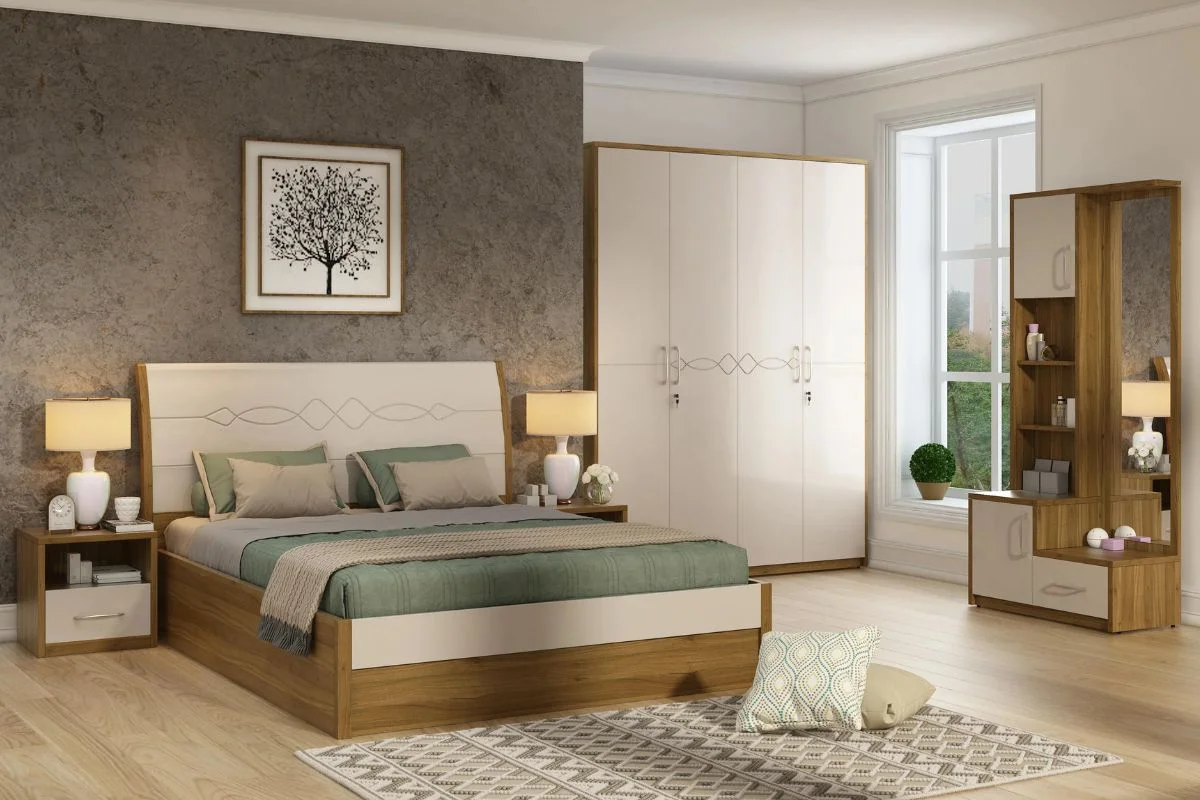
Importance of regular maintenance and care for bedroom furniture
Regular maintenance and care for bedroom furniture are essential practices that help preserve its beauty, functionality, and longevity. Here are several reasons why regular upkeep is crucial:
- Preservation of Appearance: Bedroom furniture is subject to daily wear and tear, including dust accumulation, spills, and scratches. Regular cleaning and maintenance routines help remove dirt, dust, and stains, preserving the furniture’s appearance and preventing premature deterioration.
- Prevention of Damage: Neglected furniture is more susceptible to damage from environmental factors such as sunlight, humidity, and temperature fluctuations. Regular care, including dusting, polishing, and using protective coatings, helps shield furniture from these elements and reduces the risk of fading, warping, or cracking.
- Extended Lifespan: Proper maintenance can significantly extend the lifespan of bedroom furniture, ensuring that it remains functional and attractive for years to come. By addressing minor issues promptly and preventing major damage, regular care helps avoid the need for costly repairs or premature replacement of furniture pieces.
- Enhanced Durability: Bedroom furniture that receives regular maintenance is more likely to withstand daily use and maintain its structural integrity over time. Cleaning, lubricating hinges and drawer slides, and tightening loose screws or fittings contribute to the furniture’s durability and stability, minimizing the risk of accidents or breakage.
- Promotion of Indoor Air Quality: Dust and allergens can accumulate on bedroom furniture surfaces, contributing to poor indoor air quality and potential health problems. Regular dusting and cleaning of furniture help remove allergens, pollutants, and irritants, creating a healthier and more comfortable sleep environment for occupants.
- Prevention of Pest Infestations: Dust, crumbs, and food particles left on or around bedroom furniture can attract pests such as ants, cockroaches, and rodents. Regular cleaning and maintenance help eliminate food sources and breeding grounds for pests, reducing the risk of infestations and maintaining a hygienic sleep space.
- Preservation of Investment: Bedroom furniture represents a significant investment in home furnishings. Regular maintenance and care protect this investment by ensuring that furniture retains its value, functionality, and aesthetic appeal over time. Well-maintained furniture enhances the overall appeal and marketability of the home, whether for personal enjoyment or potential resale.
- Promotion of Well-Being: A clean, well-maintained sleep environment promotes physical and emotional well-being. By taking care of bedroom furniture, occupants create a comfortable and inviting space that supports relaxation, restful sleep, and overall mental and physical health.
Balancing Function and Aesthetics in Bedroom Layouts
Balancing function and aesthetics in bedroom layouts is essential for creating a space that is both practical and visually appealing. A well-designed bedroom should allow easy movement while maximizing storage and comfort. Start by considering the room’s focal point, often the bed, and arrange other furniture around it to ensure accessibility and flow.
Multi-functional pieces, such as storage beds or bedside tables with drawers, help maintain organization without sacrificing style. Lighting plays a key role, combining task, ambient, and accent lighting to enhance the room’s atmosphere. Incorporating textures, colors, and decorative elements adds personality while maintaining harmony. Ultimately, a thoughtful balance between function and aesthetics transforms the bedroom into a comfortable, inviting retreat.
Conclusion
In conclusion, bedroom furniture plays a pivotal role in creating a comfortable, functional, and aesthetically pleasing sleep environment. From the focal point of the bed to the storage solutions and decorative accents, each piece contributes to the overall ambiance and functionality of the bedroom.
Frequently Asked Questions About Bedroom Furniture Basics
What are the essential pieces of bedroom furniture?
Every bedroom needs a bed (the focal point), nightstands or bedside tables for essentials, a dresser or chest for clothing storage, and a wardrobe or armoire if closet space is limited. Optional pieces include a bench, accent chair, or vanity. Choose based on room size, storage needs, and your personal style preferences.
How do I choose the right bed size for my bedroom?
Measure your room first. Allow at least 24 inches of walking space around the bed. Twin: one sleeper, small rooms. Full: one adult or child. Queen: most popular for couples, fits master bedrooms. King: spacious for couples, needs large room. Consider room dimensions, number of occupants, and comfort level before deciding.
What is the best storage solution for a small bedroom?
Use multi-functional furniture: storage beds with under-bed drawers, nightstands with shelves or cabinets, and tall dressers that maximize vertical space. Wall-mounted shelves and floating nightstands free up floor space. Opt for a wardrobe instead of a dresser if floor space is tight. Under-bed storage bins also help organize off-season clothing.
How do I balance style and functionality in bedroom furniture?
Start with a neutral, functional base (bed, dresser) in timeless styles. Add personality through bedding, lighting, and decorative accents. Choose furniture with built-in storage to reduce clutter. Select pieces that match your daily routines—nightstands with drawers for glasses and chargers, a bench for putting on shoes. Style should serve comfort, not compete with it.
What mattress type is best for quality sleep?
Memory foam offers pressure relief and motion isolation. Innerspring provides bounce and airflow. Hybrid combines foam and coils for balance. Latex is durable and eco-friendly. Choose based on sleep position: side sleepers need softer support; back and stomach sleepers need firmer. Always test mattresses or check trial periods. Pair with proper pillows for spinal alignment.
How do I maintain and clean bedroom furniture?
Dust weekly with a soft, dry cloth. Clean spills immediately using mild soap and water—avoid harsh chemicals. Polish wood furniture every 3–6 months. Vacuum upholstered pieces with a brush attachment. Tighten loose hardware and lubricate drawer slides annually. Keep furniture away from direct sunlight to prevent fading. Regular care extends furniture life significantly.
What are the standard bedroom furniture dimensions?
Nightstands: 20–28 inches wide, height within 2–5 inches of mattress top. Dressers: 30–40 inches wide for small rooms, up to 60+ inches for large. Standard bed depths: twin (75″), full/queen (80″), king (80″). Always measure doorways, hallways, and stairwells before purchasing to ensure delivery and assembly are possible.
How can I make a small bedroom look bigger with furniture?
Choose light-colored furniture that blends with walls. Use furniture with exposed legs to create an airy feel. Opt for a low-profile bed frame. Use wall-mounted nightstands and shelves. Keep pathways clear. Avoid oversized pieces. Mirrors on closet doors or walls reflect light. A minimalist approach with fewer, multi-functional pieces reduces visual clutter.
What is the difference between a dresser and a chest?
A dresser is wide and shallow with multiple drawers, ideal for storing folded clothes and doubling as a surface for a mirror or TV. A chest (or tallboy) is narrow and deep, taller than a dresser, fitting into smaller floor spaces while offering similar or greater storage volume. Choose based on available floor space and storage needs.
How often should I replace bedroom furniture?
Quality bedroom furniture can last 15–30 years with proper care. Replace when pieces are structurally unsound (wobbly joints, broken drawers), heavily stained beyond cleaning, or no longer meet your storage or style needs. Mattresses should be replaced every 7–10 years. Update bedding and accessories more frequently to refresh the room without buying new furniture.


