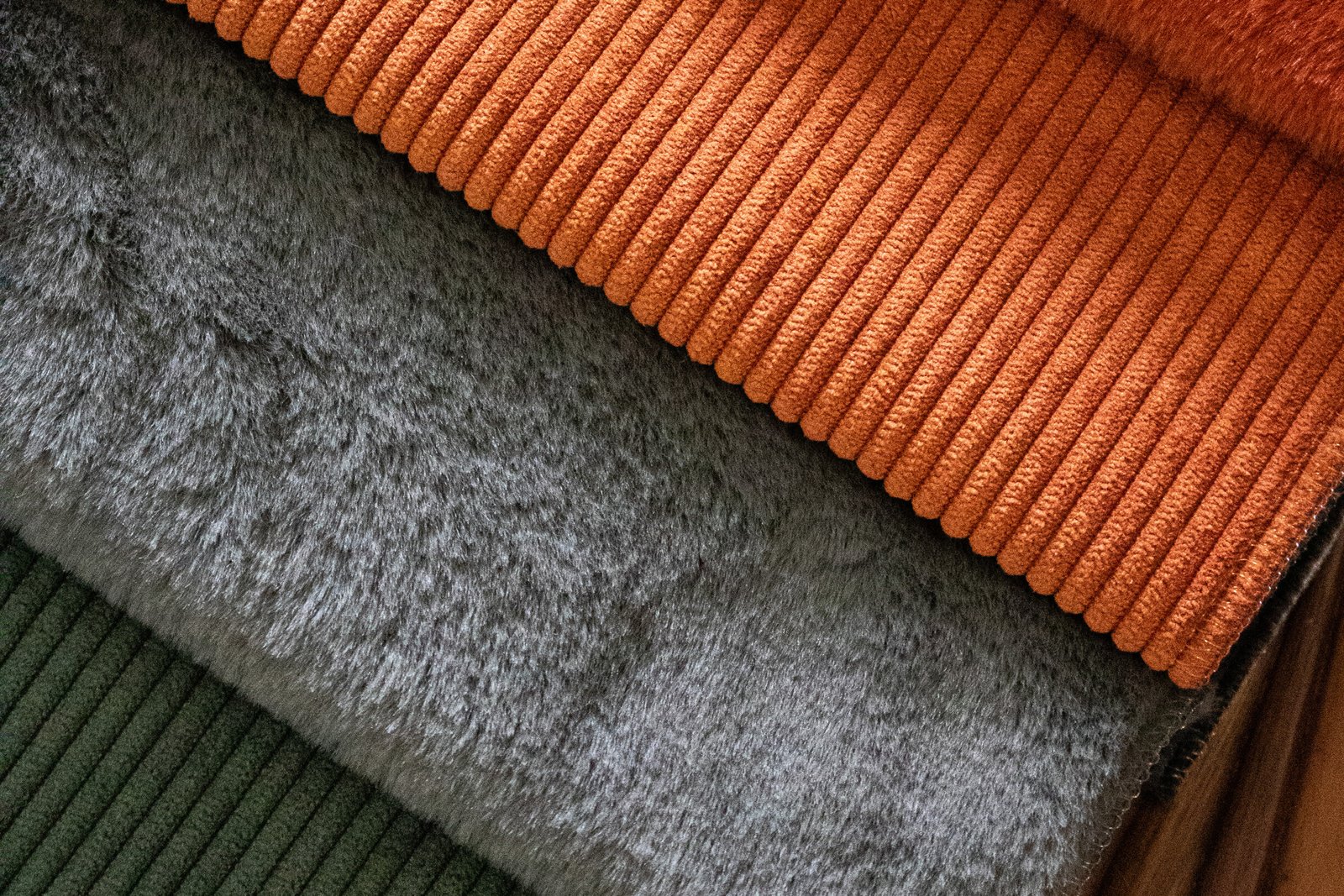
Understanding upholstery textile sourcing is essential for anyone interested in furniture construction, interior durability, and material performance. Textile sourcing influences not only how furniture looks but also how long it lasts and how well it adapts to environmental conditions. In regions with extreme heat, humidity variations, and dust exposure, material selection becomes even more critical.
The upholstery textile market in the UAE is shaped by climate requirements, international trade standards, and diverse consumer expectations. Learning how suppliers operate, what quality standards matter, and how materials are evaluated helps consumers and designers make informed decisions based on durability, safety, and sustainability rather than appearance alone.
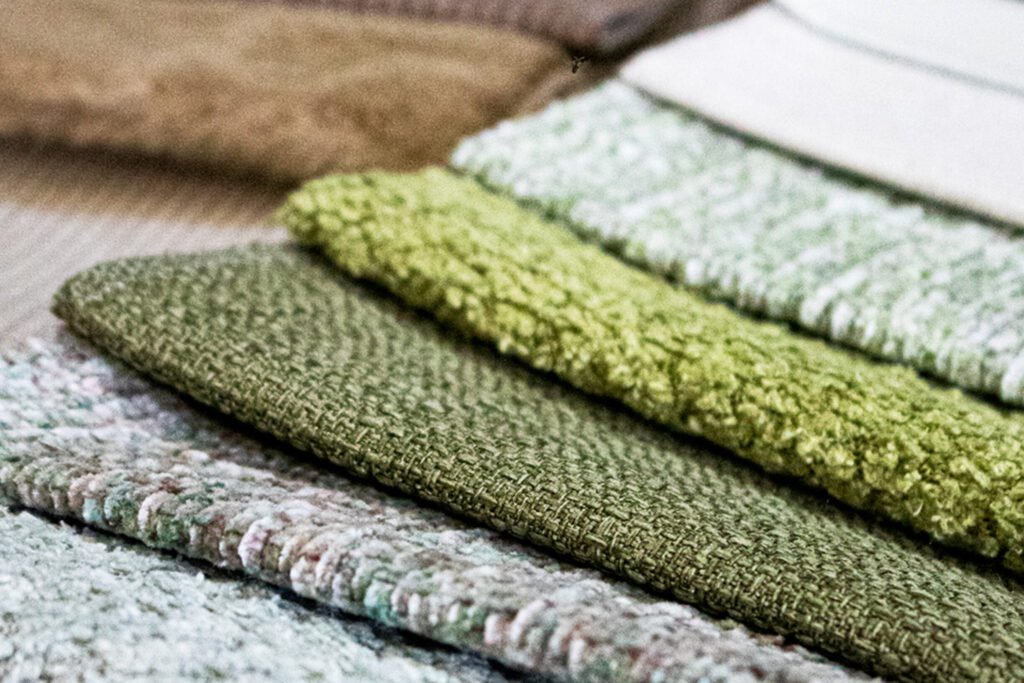
How regional climate conditions influence textile selection and durability expectations for interior furnishings
The UAE climate is characterized by high heat, intense sunlight, and seasonal humidity fluctuations. These environmental factors significantly influence textile selection.
Climate impact on upholstery materials includes:
- Faster color fading due to strong UV exposure
- Increased wear caused by heat drying out fibers
- Potential mold risk in humid indoor environments
Materials designed for hot climates usually feature:
- UV-resistant dye treatments
- Moisture-resistant fiber blends
- Heat-stable synthetic components
Understanding how regional climate affects textile lifespan is essential when researching upholstery material sourcing, especially when evaluating options connected to upholstery fabric suppliers in uae.
Understanding textile certification standards and quality testing methods used across regional markets
Textile certifications help ensure material safety, durability, and environmental compliance. These certifications confirm that fabrics meet specific performance standards before reaching consumers.
Common textile testing methods include:
- Abrasion resistance testing
- Color fastness testing
- Fire resistance verification
- Chemical safety screening
Quality certifications help guarantee:
- Material consistency across production batches
- Reduced risk of allergic reactions
- Compliance with international manufacturing regulations
Certified textiles often perform better under long-term daily use and environmental stress.
The importance of supply chain transparency when sourcing upholstery textiles for residential projects
Supply chain transparency allows buyers to understand where materials come from, how they are manufactured, and whether production meets ethical and environmental standards.
Transparent sourcing provides:
- Clear manufacturing origin information
- Verification of labor practices
- Consistent material quality tracking
- Reduced counterfeit material risk
Modern textile sourcing increasingly relies on traceable supply chains to ensure authenticity and performance reliability.
Differences between commercial grade and residential grade upholstery textile manufacturing standards
Commercial-grade upholstery textiles are engineered for heavy usage environments such as hotels, offices, and public spaces. Residential-grade textiles focus more on comfort and aesthetic flexibility.
Commercial-grade features:
- Higher abrasion resistance
- Stronger backing materials
- Enhanced stain protection
Residential-grade features:
- Softer texture options
- Wider design variety
- Greater focus on tactile comfort
Understanding these differences helps match upholstery materials with intended usage patterns and furniture type.
How textile import regulations and compliance requirements affect material availability regionally
International trade regulations influence which materials are available in regional markets. Import compliance ensures materials meet safety, chemical, and environmental standards.
Regulatory factors often include:
- Fire safety regulations
- Chemical content restrictions
- Labeling accuracy requirements
- Environmental compliance standards
Import regulations may limit certain textile treatments or fiber types, affecting material availability and variety in local markets.
The role of sustainability initiatives in modern textile production and supplier sourcing policies
Sustainability is becoming a major factor in textile production worldwide. Many suppliers now prioritize environmentally responsible manufacturing methods.
Sustainable textile practices include:
- Water-efficient dyeing processes
- Use of recycled fibers
- Reduced chemical finishing treatments
- Energy-efficient manufacturing technologies
These practices reduce environmental impact while maintaining textile durability and performance.
Sustainability considerations also influence furniture designed for outdoor spaces, especially when materials must resist heat and moisture exposure similar to those used in outdoor furniture dubai environments.
How textile storage and transportation conditions affect long-term material performance and usability
Storage and transportation conditions can significantly affect textile quality before installation. Poor storage may weaken fibers, cause odor retention, or introduce contamination.
Proper textile storage requires:
- Temperature-controlled environments
- Moisture protection
- Dust-free packaging
- Light exposure limitation
Transportation conditions also matter. Extreme heat during shipping can damage certain synthetic coatings or adhesives used in textile backing materials.
Understanding textile composition labeling and how to interpret technical specification sheets
Textile composition labels provide critical information about fiber content, durability ratings, and cleaning compatibility. Learning how to read specification sheets helps consumers evaluate material performance objectively.
Key specification sheet elements include:
- Fiber composition percentages
- Abrasion resistance ratings
- Cleaning method compatibility
- Fire safety classification
- UV resistance ratings
Different furniture categories require different performance specifications. For example, high-movement seating such as recliner chairs often requires materials with strong stretch recovery and tear resistance.
Conclusion
Understanding upholstery textile sourcing involves much more than identifying fabric appearance. Climate suitability, certification standards, supply chain transparency, and sustainability all influence material performance and long-term durability. In regions with demanding environmental conditions, these factors become even more critical.
By learning how textile sourcing works and what technical specifications matter most, homeowners and designers can select materials that maintain comfort, appearance, and performance over time. Informed textile selection ultimately supports better furniture longevity and improved indoor comfort.
FAQs
What certifications indicate high-quality upholstery textiles?
Certifications related to durability testing, chemical safety, and fire resistance usually indicate higher-quality upholstery materials suitable for long-term use.
How does climate impact upholstery textile lifespan?
Heat, UV exposure, and humidity can break down fibers, fade dyes, and weaken fabric coatings over time, reducing overall lifespan.
What is the difference between commercial and residential upholstery textiles?
Commercial textiles are designed for heavy use and durability, while residential textiles prioritize comfort, texture, and aesthetic variety.
Why is textile sourcing transparency important for consumers?
Transparency helps verify product authenticity, ethical manufacturing practices, and consistent quality standards across production batches.
How can textile composition labels help buyers make informed decisions?
Composition labels reveal fiber content, durability ratings, and maintenance requirements, helping buyers choose materials suited to their lifestyle and environment.