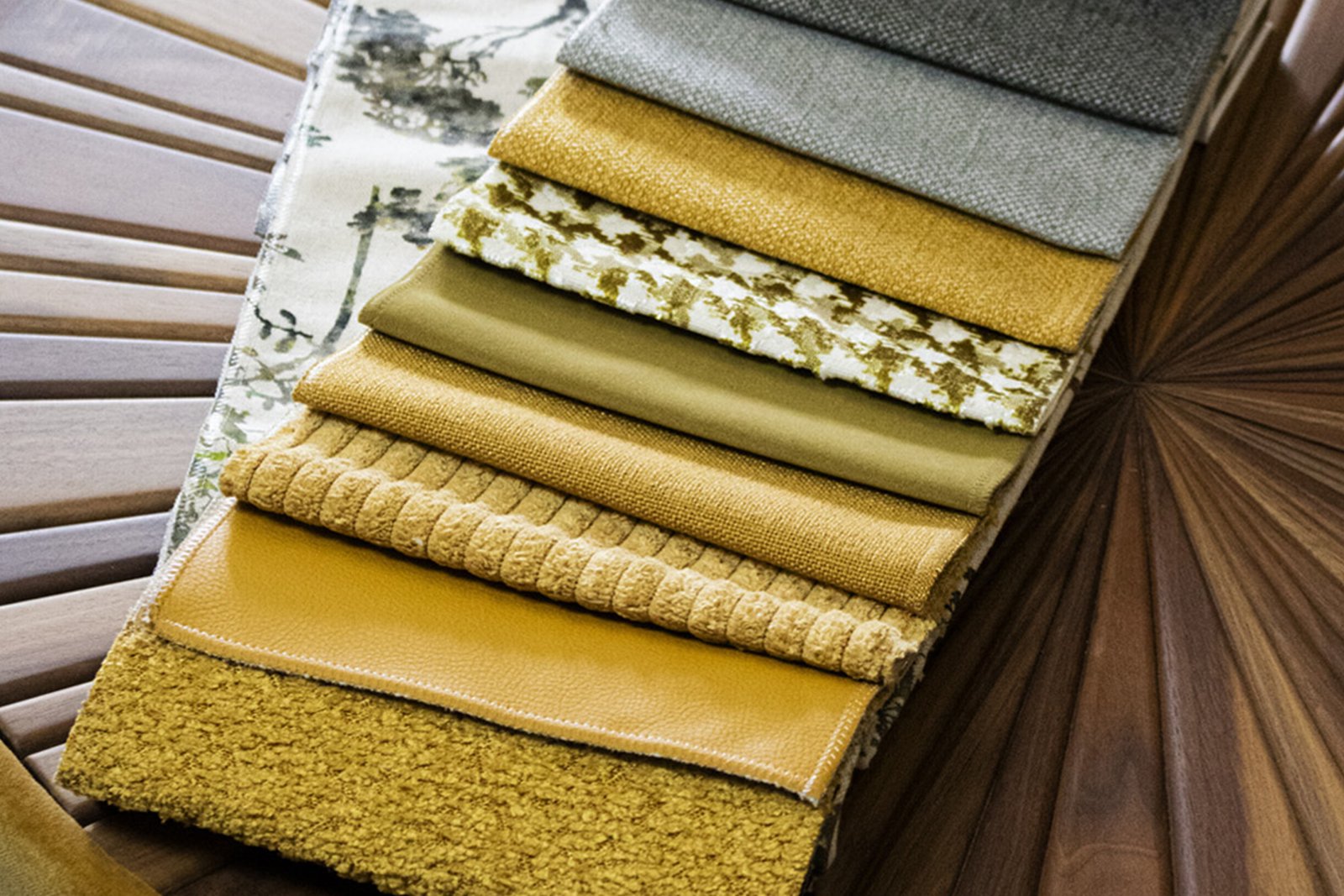
Choosing upholstery materials is one of the most important decisions when designing a comfortable living space. The texture, durability, and breathability of upholstery directly affect how furniture feels during everyday use. While many people focus on color and style, the underlying material composition plays a far greater role in long-term comfort and performance.
Understanding how upholstery materials work helps homeowners make informed decisions that match their lifestyle, climate, and usage patterns. From fiber structure to weave density, every detail influences how furniture feels, ages, and responds to daily wear. This guide explores the science, practicality, and lifestyle impact of upholstery materials in depth.
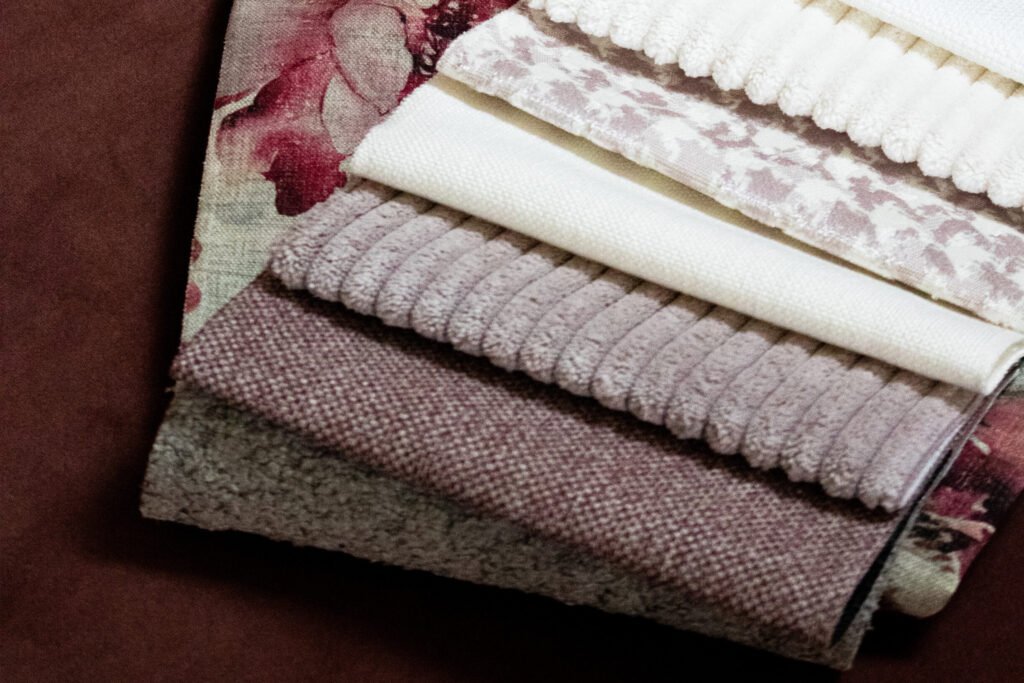
Understanding the differences between natural and synthetic upholstery materials and how they influence durability over time
Upholstery materials generally fall into two main categories: natural fibers and synthetic fibers. Each category offers unique performance benefits depending on environmental exposure and usage frequency.
Natural fibers include:
- Cotton
- Linen
- Wool
- Leather
Synthetic fibers include:
- Polyester
- Nylon
- Acrylic
- Microfiber
Natural materials often provide superior breathability and softness, making them comfortable in warm climates. However, they may require more maintenance and can be sensitive to stains or moisture. Synthetic materials, on the other hand, are engineered for durability, stain resistance, and color retention.
When evaluating sofa fabrics, understanding fiber composition helps predict how upholstery will perform after years of daily use, especially in high-traffic living areas.
How material weave density and fiber structure impact seating comfort and long-term performance in homes
Weave density determines how tightly fibers are interlaced. Tighter weaves typically create smoother textures and improved resistance to wear and tear.
Key weave types include:
Tight Weave
- More durable
- Resists pilling
- Easier to clean
Loose Weave
- Softer texture
- More breathable
- May wear faster
Fiber structure also affects resilience. Hollow fibers trap air, improving insulation and softness. Solid fibers tend to be stronger but may feel firmer.
Homes with heavy daily use benefit from tightly woven upholstery materials because they maintain shape and appearance longer.
The relationship between fabric breathability, temperature control, and year-round sitting comfort indoors
Breathability plays a critical role in seating comfort, particularly in warmer climates. Materials that allow airflow prevent heat buildup and moisture retention.
Breathable materials help:
- Reduce sweating during long sitting periods
- Maintain consistent seating temperature
- Prevent odor buildup
Non-breathable materials can trap heat, causing discomfort during extended use. Natural fibers generally perform better in temperature regulation, while certain synthetic blends are engineered to mimic similar airflow properties.
Indoor climate control systems also influence how upholstery feels throughout the year.
How color fastness and dye quality influence fading resistance in high sunlight exposure rooms
Sunlight exposure is one of the biggest causes of upholstery aging. UV rays gradually break down dye molecules, leading to fading and discoloration.
High-quality dye processes improve:
- Color longevity
- Resistance to sun bleaching
- Uniform color retention
Rooms with large windows or strong daylight exposure require upholstery with higher UV resistance ratings. Dark colors typically fade faster than lighter shades.
Combining strong dye quality with thoughtful interior design elements like wood wall panels can help reduce direct light reflection and preserve material color over time.
Maintenance differences between stain-resistant materials and traditional textile upholstery coverings
Maintenance requirements vary widely depending on material treatment. Some fabrics include protective coatings designed to repel liquids and resist staining.
Stain-resistant materials:
- Easier daily cleaning
- Lower long-term maintenance
- Good for families with children
Traditional untreated textiles:
- May require professional cleaning
- Offer softer natural texture
- Require quicker stain treatment
Understanding cleaning compatibility is essential. Some materials tolerate steam cleaning, while others require dry cleaning methods.
How household lifestyle factors like pets and children influence material selection decisions
Lifestyle plays a major role in upholstery selection. Active households require materials that balance durability, cleanability, and comfort.
For homes with pets:
- Scratch-resistant materials perform better
- Tightly woven fabrics resist fur buildup
- Darker tones help hide minor stains
For homes with children:
- Spill-resistant coatings help reduce damage
- Easy-clean surfaces simplify maintenance
- Durable stitching prevents tearing
Furniture like a recliner often experiences concentrated wear in specific zones, making material strength especially important in pressure areas.
Environmental considerations when selecting eco-friendly or recycled upholstery textile options
Sustainability is becoming an important factor in interior material selection. Many modern upholstery materials now include recycled fibers or low-impact manufacturing processes.
Eco-conscious upholstery options may include:
- Recycled polyester from plastic bottles
- Organic cotton grown without pesticides
- Plant-based synthetic alternatives
Environmental certifications help verify sustainable production standards. These materials often balance durability with reduced environmental footprint.
How texture and surface finishing influence aesthetic style and tactile seating experience
Texture determines how upholstery feels against the skin and how it contributes to interior design aesthetics.
Common texture categories include:
Smooth Textures
- Modern appearance
- Easier cleaning
- Less dust accumulation
Textured Surfaces
- Warmer visual appeal
- Better grip for seating stability
- More visual depth in interiors
Surface finishing treatments can also enhance stain resistance, softness, or sheen levels.
Conclusion
Upholstery materials influence far more than furniture appearance. They determine comfort, durability, maintenance requirements, and long-term satisfaction. By understanding fiber composition, weave structure, breathability, dye quality, and environmental factors, homeowners can make informed decisions that support both comfort and practicality.
Choosing the right upholstery requires balancing lifestyle needs, climate conditions, and maintenance expectations. With proper knowledge, selecting suitable materials becomes a long-term investment in comfort and interior quality.
FAQs
What factors determine durability in upholstery materials?
Durability depends on fiber type, weave density, finishing treatments, and daily usage intensity. Synthetic blends and tightly woven materials usually last longer under heavy use.
How do synthetic and natural materials differ in performance?
Natural fibers offer breathability and softness, while synthetic fibers typically provide higher stain resistance, durability, and color retention.
Which upholstery materials are easiest to maintain long term?
Materials with stain-resistant coatings and tight weave structures generally require less frequent deep cleaning and resist everyday dirt buildup.
How does fabric choice affect indoor temperature comfort?
Breathable materials regulate heat better, preventing sweating and improving long sitting comfort, especially in warmer climates.
What upholstery materials are best for homes with pets?
Scratch-resistant synthetic blends and tightly woven fabrics perform best because they resist damage, hair buildup, and staining.