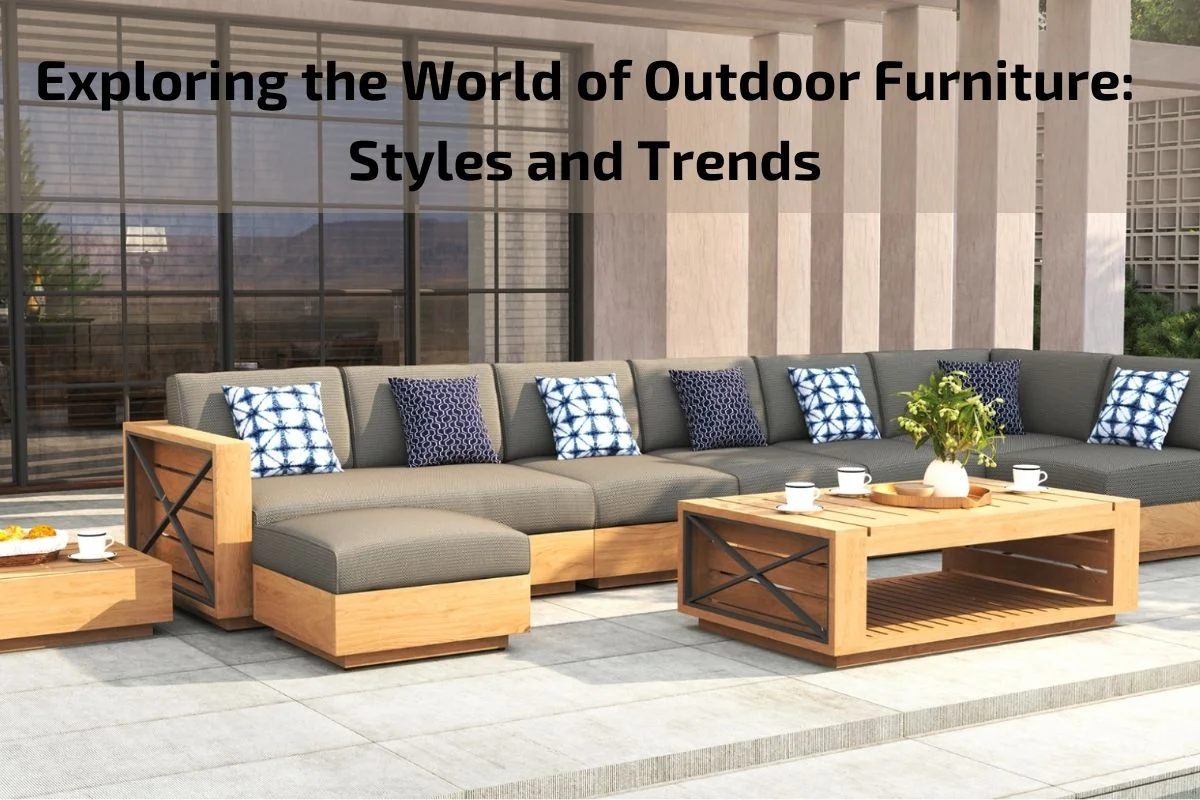
Looking to transform your patio, garden, or balcony into a stylish outdoor retreat? Choosing the right outdoor furniture can make all the difference.
From cozy lounge sets and classic Adirondack chairs to durable dining tables and swinging hammocks, outdoor furniture blends functionality with design to create inviting spaces for relaxation and entertainment. In this guide, we’ll explore the latest styles and trends in outdoor furniture, including materials like teak, aluminum, rattan, and weather-resistant wicker. You’ll learn how to choose pieces that suit your space, climate, and lifestyle—plus maintenance tips to keep your furniture looking beautiful season after season.
Welcome to “Exploring the World of Outdoor Furniture: Styles and Trends,” where we embark on a journey through the diverse and dynamic landscape of outdoor furnishings. As outdoor living spaces continue to gain prominence in home design, the demand for stylish, functional, and innovative outdoor furniture has never been greater. From sprawling backyard patios to cozy balconies and rooftop terraces, outdoor furniture sets the stage for al fresco dining, relaxation, and socializing amidst the beauty of nature.
In this exploration, we delve into the exciting world of outdoor furniture, uncovering the latest styles, trends, and design inspirations that are reshaping outdoor living experiences. Whether you’re seeking to transform your outdoor space into a serene retreat, a vibrant entertainment area, or a cozy nook for solitude, there’s a wealth of options to suit every taste, preference, and lifestyle.
Overview of the article’s focus on outdoor furniture and its role in enhancing outdoor experiences
In this article, we will explore the world of outdoor furniture and its significant role in enhancing outdoor experiences. Outdoor furniture isn’t just about functional seating or dining arrangements; it’s about creating inviting spaces where people can relax, socialize, and connect with nature. As outdoor living spaces continue to gain popularity, the importance of well-designed and thoughtfully curated outdoor furniture becomes increasingly evident.
We’ll delve into the various aspects of outdoor furniture, from the evolution of styles and materials to the practical considerations of choosing, styling, and maintaining outdoor furnishings. Understanding the nuances of outdoor furniture allows us to transform ordinary outdoor spaces into extraordinary retreats that reflect our lifestyles, preferences, and personalities.
Throughout the article, we’ll uncover the transformative power of outdoor furniture in shaping outdoor living experiences. From intimate gatherings on a cozy patio to grand celebrations in a sprawling garden, outdoor furniture sets the stage for memorable moments and cherished connections. By exploring trends, innovations, and budget-friendly solutions, we’ll discover how outdoor furniture can elevate the functionality, aesthetics, and enjoyment of outdoor spaces.
Join us on this journey as we unlock the potential of outdoor furniture to create inviting, comfortable, and inspiring outdoor environments where relaxation, recreation, and rejuvenation thrive. Whether you’re a design enthusiast, a nature lover, or simply seeking inspiration for your outdoor oasis, this article will provide valuable insights and practical tips for making the most of your outdoor living experience. Let’s embark on this exploration of outdoor furniture and reimagine the possibilities of outdoor living together.

Benefits of Outdoor Furniture
- Enhanced Outdoor Living Experience: Outdoor furniture transforms outdoor spaces into functional and inviting areas for relaxation, dining, and socializing. Whether it’s a cozy patio set for morning coffee or a spacious dining set for al fresco meals, outdoor furniture enhances the overall outdoor living experience.
- Increased Comfort and Convenience: Outdoor furniture provides comfortable seating options that allow individuals to enjoy the beauty of nature while remaining comfortable and supported. From cushioned lounge chairs to ergonomic dining sets, outdoor furniture enhances comfort and convenience in outdoor settings.
- Versatility and Flexibility: Outdoor furniture comes in a variety of styles, sizes, and configurations to suit different outdoor environments and personal preferences. Modular designs, foldable chairs, and adjustable tables offer versatility and flexibility, allowing users to customize their outdoor spaces according to their needs and preferences.
- Facilitates Outdoor Entertaining: Outdoor furniture creates designated areas for outdoor entertaining, making it easier to host gatherings, parties, and events in outdoor spaces. Dining sets, conversation sets, and lounge furniture provide ample seating and gathering spaces for guests to enjoy outdoor festivities and socialize under the open sky.
- Enhances Property Value: Well-designed and well-maintained outdoor furniture can enhance the aesthetic appeal and perceived value of a property. Thoughtfully furnished outdoor spaces create a positive first impression and increase the overall attractiveness of a home or commercial property to potential buyers or visitors.
- Promotes Outdoor Wellness and Relaxation: Outdoor furniture encourages individuals to spend more time outdoors, fostering a deeper connection with nature and promoting overall wellness and relaxation. Comfortable seating, soothing surroundings, and fresh air contribute to stress reduction, mental clarity, and improved mood and well-being.
- Opportunity for Personalization and Style: Outdoor furniture offers endless opportunities for personalization and style, allowing individuals to express their unique tastes and preferences in outdoor design. From sleek and modern to rustic and traditional, outdoor furniture styles span the spectrum, enabling users to create outdoor spaces that reflect their personality and lifestyle.
- Creates Functional Outdoor Zones: Outdoor furniture helps create defined functional zones within outdoor spaces, such as dining areas, lounging areas, and entertainment areas. By delineating these zones with furniture arrangements, outdoor spaces become more organized, efficient, and conducive to various activities and interactions.
In summary, outdoor furniture enhances the functionality, comfort, and aesthetics of outdoor spaces, facilitating outdoor living, entertaining, and relaxation. With its versatility, style options, and benefits for health and well-being, outdoor furniture plays a vital role in creating inviting and enjoyable outdoor environments for individuals and families to enjoy year-round.
Types of Outdoor Furniture
- Patio Sets: Patio sets typically include a table and chairs designed for outdoor dining and socializing. These sets come in various materials such as wood, metal, rattan, and plastic, and they range in size and style to accommodate different outdoor spaces and seating capacities.
- Lounge Furniture: Lounge furniture is designed for relaxation and comfort in outdoor settings. It includes sofas, loveseats, lounge chairs, ottomans, and daybeds, often featuring cushioned seats and backs for added comfort. Lounge furniture is ideal for creating cozy seating areas on patios, decks, and poolside lounges.
- Dining Furniture: Outdoor dining furniture comprises tables, chairs, benches, and accessories designed for alfresco dining experiences. Dining tables come in various shapes and sizes, including rectangular, round, and square, with options for extension leaves to accommodate larger gatherings. Dining chairs may feature armrests, cushions, and durable materials suitable for outdoor use.
- Adirondack Chairs: Adirondack chairs are classic outdoor seating options known for their slanted backs, wide armrests, and contoured seats. These chairs are typically made of wood, plastic, or composite materials and are favored for their comfort and timeless style. Adirondack chairs add a rustic charm to outdoor settings and are often used on porches, patios, and gardens.
- Benches and Gliders: Outdoor benches and gliders provide additional seating options for gardens, parks, and outdoor spaces. Benches come in various styles, including backless, curved, and storage benches, offering versatile seating solutions for outdoor environments. Gliders provide gentle rocking motions and are popular choices for relaxation and contemplation in outdoor settings.
- Swing Seats and Hammocks: Swing seats and hammocks offer unique and playful seating options for outdoor relaxation. Swing seats may be suspended from pergolas, trees, or freestanding frames, providing gentle swaying motions and comfortable seating for individuals or couples. Hammocks offer a cozy and cocoon-like experience, perfect for napping, reading, or stargazing in the great outdoors.
- Accent Pieces and Accessories: Outdoor furniture accessories add style, functionality, and personality to outdoor spaces. These may include outdoor rugs, cushions, pillows, umbrellas, planters, lanterns, and decorative accents that complement outdoor furniture and create inviting outdoor environments. Accent pieces allow individuals to personalize their outdoor spaces and enhance their overall aesthetic appeal.
Choosing the Right Outdoor Furniture
Selecting the right outdoor furniture is essential for creating a comfortable, functional, and inviting outdoor space that suits your lifestyle, preferences, and budget. With a wide range of options available, it’s important to consider several factors to ensure that you choose outdoor furniture that meets your needs and enhances your outdoor living experience. Here are some key considerations to help you make the right choice:
- Space and Layout: Assess the size and layout of your outdoor space to determine how much room you have available for furniture. Consider the dimensions of your patio, deck, or garden area, as well as any existing landscaping features or architectural elements that may impact furniture placement.
- Functionality: Think about how you intend to use your outdoor space and select furniture that meets your specific needs. For example, if you enjoy outdoor dining and entertaining, consider investing in a dining set with a table and chairs. If relaxation is your priority, lounge furniture such as sofas, loveseats, and chaise lounges may be more suitable.
- Materials: Choose outdoor furniture materials that are durable, weather-resistant, and low-maintenance. Common materials include wood (e.g., teak, cedar), metal (e.g., aluminum, wrought iron), rattan/wicker, and plastic/resin. Consider the climate and environmental conditions in your area when selecting materials that can withstand exposure to sunlight, rain, wind, and temperature fluctuations.
- Comfort and Style: Prioritize comfort and style when selecting outdoor furniture. Look for cushioned seating options with supportive backs and armrests, as well as ergonomic designs that promote relaxation. Consider your personal style preferences and choose furniture that complements the architectural style of your home and the overall aesthetic of your outdoor space.
- Durability and Quality: Invest in high-quality outdoor furniture that is built to last. Pay attention to construction details such as sturdy frames, rust-resistant hardware, and weatherproof finishes. Check for warranties and product guarantees that offer reassurance of quality and durability.
- Maintenance Requirements: Consider the maintenance requirements of outdoor furniture before making your purchase. Some materials, such as wood, may require regular sealing, staining, or oiling to protect against weathering and decay. Others, like metal and plastic, may only require occasional cleaning with soap and water.
- Budget: Establish a budget for your outdoor furniture project and prioritize investments in quality pieces that offer long-term value and durability. Explore a variety of options within your budget range, including budget-friendly materials and styles, to find the best combination of quality and affordability.

Cleaning and caring for outdoor furniture
Proper cleaning and maintenance are essential for preserving the beauty, functionality, and longevity of your outdoor furniture. By following these simple tips and guidelines, you can keep your outdoor furniture looking its best and ensure that it withstands the elements for years to come:
Regular Cleaning:
Wipe down your outdoor furniture regularly with a damp cloth or sponge to remove surface dirt, dust, and debris
Material-Specific Cleaning Tips:
Wood Furniture: For wood furniture, use a wood cleaner specifically formulated for outdoor use. Apply wood oil or sealer annually to protect against moisture and UV damage.
Metal Furniture: Metal furniture can be cleaned with a solution of mild soap and water. Remove rust spots with a wire brush or sandpaper, then apply a rust-resistant primer and paint to prevent further corrosion.
Wicker/Rattan Furniture: Clean wicker and rattan furniture with a soft brush or vacuum attachment to remove dirt and dust. Avoid prolonged exposure to sunlight, which can cause fading and drying out of the material.
Plastic/Resin Furniture: Clean plastic and resin furniture with a mixture of mild detergent and water. Avoid abrasive cleaners that may scratch the surface.
Upholstered Furniture:
For upholstered outdoor furniture, remove cushions and pillows regularly and shake them out to remove dirt and debris.
Spot clean cushions with a mild soap and water solution or use upholstery cleaner as needed. Allow cushions to air dry completely before reattaching them to the furniture.
Protection from the Elements:
During inclement weather or extended periods of non-use, consider covering your outdoor furniture with weather-resistant furniture covers or tarps to protect against moisture, UV exposure, and debris.
Store cushions, pillows, and other fabric accessories indoors or in sealed containers to prevent mold, mildew, and pest infestations.
Preventative Maintenance:
Inspect your outdoor furniture regularly for signs of wear, damage, or loose hardware. Tighten screws and bolts as needed, and replace any damaged or deteriorating parts promptly.
Apply a protective coating or sealant to wood and metal furniture annually to maintain their appearance and durability.
Proper Storage:
Store lightweight or easily movable outdoor furniture indoors or in a covered area during the offseason or when not in use.
Classic Outdoor Charm: Timeless Designs for Your Garden
Classic outdoor furniture brings an enduring elegance to any garden or patio, combining functionality with timeless aesthetic appeal. Pieces crafted from traditional materials like teak, wrought iron, and natural wood not only offer durability but also age gracefully, developing a unique character over time. Designs often feature intricate details, curved lines, and rich finishes that complement both lush green landscapes and structured garden layouts.
Whether it’s a charming wooden bench under a flowering tree or a wrought iron dining set on a stone patio, classic furniture creates a welcoming and sophisticated atmosphere. These timeless designs prioritize comfort without sacrificing style, with cushions, fabrics, and finishes that enhance usability while maintaining elegance.
The beauty of classic outdoor furniture lies in its versatility—it harmonizes effortlessly with various garden themes, from formal European gardens to cozy cottage settings. Investing in such pieces ensures long-lasting charm, offering both practical use and a refined visual appeal for years to come.
Conclusion
In conclusion, proper cleaning and caring for outdoor furniture are essential steps in maintaining its beauty, functionality, and longevity. By following the guidelines outlined above, you can protect your investment and ensure that your outdoor furniture continues to enhance your outdoor living experience for years to come.
Frequently Asked Questions About Outdoor Furniture
What is the most durable material for outdoor furniture?
Teak wood is highly durable due to its natural oils that resist rot, water, and insects. Aluminum is lightweight, rust-proof, and maintenance-free. Synthetic rattan and high-quality polyethylene wicker withstand sun and moisture without cracking. For longevity, choose furniture with rust-resistant hardware and UV-protected finishes.
How do I protect outdoor furniture from rain and sun?
Use weather-resistant covers when furniture is not in use. Store cushions indoors or in waterproof containers. Apply sealants to wood furniture annually. For metal, touch up scratches with rust-resistant paint. Position furniture under awnings, umbrellas, or pergolas to reduce direct sun and rain exposure.
Can outdoor furniture be left outside in winter?
Some materials like teak, aluminum, and synthetic rattan can withstand winter weather if properly covered. However, it’s best to store cushions, pillows, and fabric accessories indoors. For wood and metal furniture, clean thoroughly, apply protective coatings, and use breathable covers to prevent moisture buildup and mold.
What is the best outdoor furniture for small spaces?
For small balconies or patios, choose foldable chairs, stackable stools, or compact bistro sets. Wall-mounted tables and benches with hidden storage maximize space. Lightweight aluminum or plastic furniture is easy to move. Consider multi-functional pieces like storage benches or ottomans that double as seating.
How do I clean and maintain outdoor furniture?
Clean wood furniture with mild soap and water, then apply teak oil or sealant annually. Use soapy water and a soft brush for metal and plastic. For wicker or rattan, vacuum crevices and wipe with a damp cloth. Machine-wash removable cushion covers according to manufacturer instructions.
Is synthetic rattan better than natural rattan for outdoors?
Yes, synthetic rattan (polyethylene or HDPE) is far more durable outdoors. It resists UV rays, moisture, mold, and temperature changes without cracking or fading. Natural rattan is best for covered or indoor use only, as it deteriorates quickly when exposed to rain and direct sunlight.
What type of outdoor furniture is most comfortable?
Deep-seated lounge sets with thick, weather-resistant cushions offer the most comfort for extended relaxation. Adirondack chairs provide ergonomic back support. Hanging hammocks or swing seats add a playful, cozy element. Look for quick-dry foam cushions with UV-resistant, water-repellent fabrics like Sunbrella.
How can I make my outdoor furniture more stylish?
Add colorful outdoor cushions, throw pillows, and patterned rugs. Use decorative planters, lanterns, and string lights to create ambiance. Mix materials like wood with metal or wicker for visual interest. Choose a cohesive color scheme that complements your home’s exterior and garden landscape.
What is the average lifespan of outdoor furniture?
High-quality teak furniture can last 25–50 years with proper care. Aluminum and synthetic rattan typically last 10–15 years. Treated wood and wrought iron may last 15–20 years. Plastic/resin furniture lasts 5–10 years. Lifespan depends on material quality, climate, and maintenance routines.
Do I need to cover outdoor furniture every night?
Daily covering is not essential in mild weather, but covers protect against morning dew, bird droaches, pollen, and unexpected rain. For seasonal storage or extended non-use, covers are highly recommended. Use breathable, waterproof covers with tie-down straps to prevent moisture trapping and wind damage.