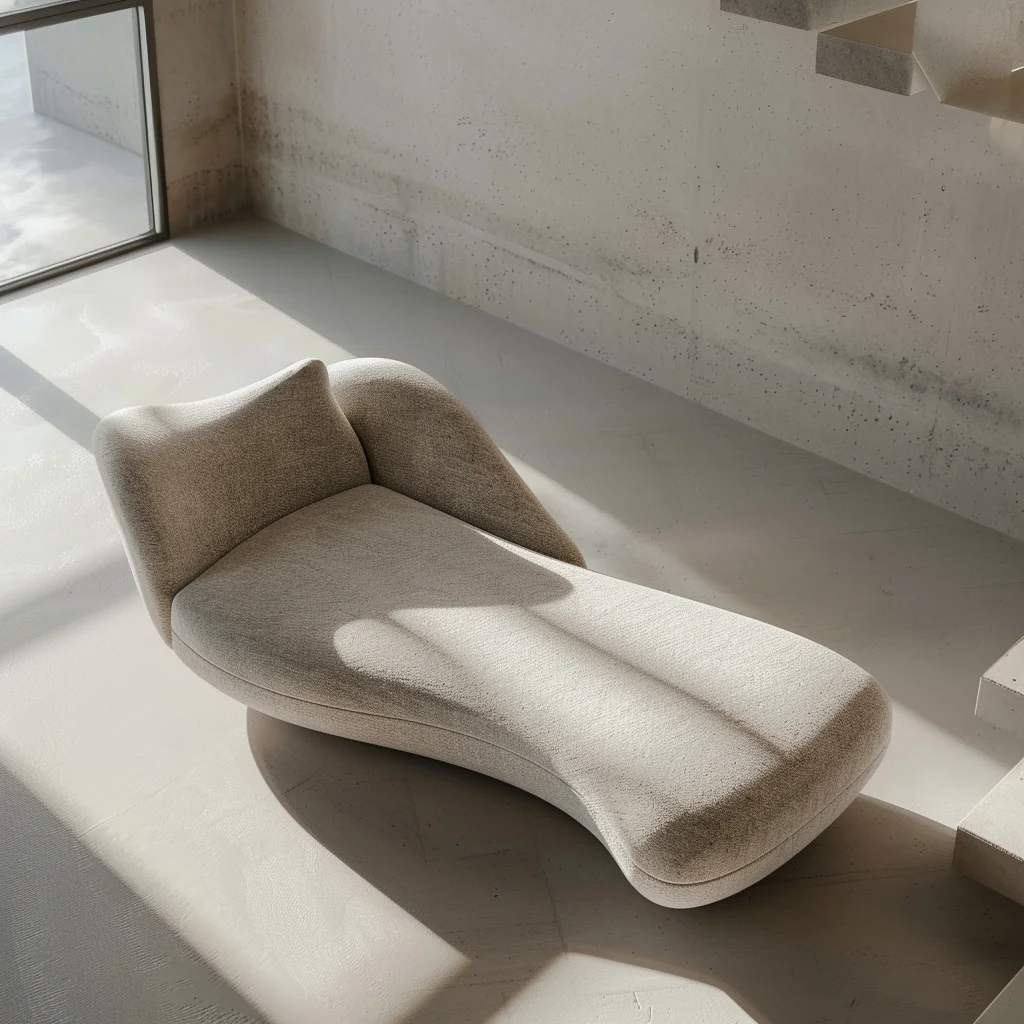
Compact seating furniture has become increasingly important in modern interior design, especially as homes, apartments, and offices prioritize efficient space usage. Among these seating options, smaller two-person chairs have earned attention for their balance of comfort, aesthetics, and practicality. They offer an inviting seating solution without occupying the footprint of full-size sofas.
These seating pieces are widely used across residential living rooms, bedrooms, waiting areas, and professional environments. Their adaptability allows them to fit into both traditional and contemporary design styles while supporting functional seating needs for individuals and pairs.
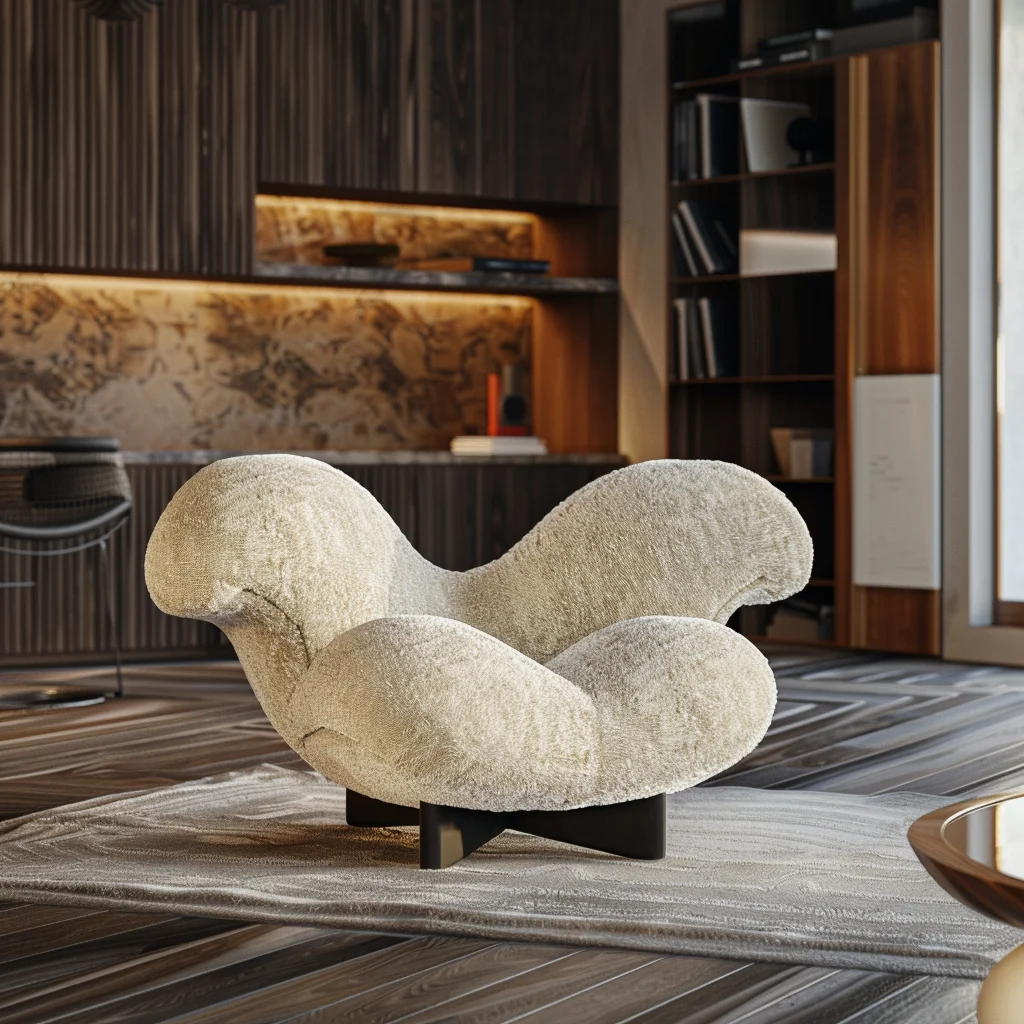
Understanding the historical evolution of compact two-person seating designs in interior spaces
Two-person compact seating dates back several centuries when furniture makers started designing smaller sofas for private sitting rooms. Early European homes often featured intimate conversation seating rather than large communal couches. These pieces were designed to encourage close conversation and relaxed posture.
Over time, furniture evolved with changing lifestyles. Urbanization reduced living space, encouraging the development of smaller yet highly functional furniture. Today’s compact two-person seating maintains traditional design principles while incorporating modern materials and ergonomic engineering.
Key historical shifts include:
- Transition from carved wood frames to engineered wood and metal frames
- Introduction of spring suspension systems for better comfort
- Development of synthetic foam cushioning for durability
- Use of advanced textile technology for longer-lasting upholstery
These developments helped transform compact seating into versatile furniture suitable for both decorative and functional use.
How small two-person seating solutions help maximize comfort in limited living areas
Modern living spaces often demand furniture that offers comfort without overwhelming the room layout. A well-designed love chair provides seating comfort similar to larger sofas but in a condensed footprint.
Small seating solutions improve space efficiency by:
- Allowing better traffic flow inside small rooms
- Supporting multi-functional furniture layouts
- Making studio apartments feel less crowded
- Providing comfortable reading or relaxation corners
Interior designers often place compact seating near windows, bookshelves, or accent tables to create functional micro-zones within a room. This approach helps maximize usability without sacrificing comfort or style.
Additionally, compact seating can be moved easily compared to large sofas, allowing flexible room arrangements depending on seasonal or lifestyle needs.
Comparing compact lounge seating with traditional sofas in space planning strategies
When planning interior layouts, designers often compare large sofas with smaller seating alternatives to balance comfort and spatial efficiency. While traditional sofas are ideal for large families or entertainment spaces, smaller two-person seating offers unique advantages.
Major comparison points include:
Space Efficiency
- Compact seating fits easily in small rooms
- Allows placement in corners or narrow walls
Visual Balance
- Helps prevent rooms from appearing overcrowded
- Supports minimalist and modern design aesthetics
Flexibility
- Easier to relocate or rearrange
- Works well with modular furniture concepts
Smaller seating options are also commonly used alongside larger sofas to create layered seating arrangements that support both group gatherings and individual comfort.
Materials and frame construction methods used in modern compact seating furniture
Modern compact seating is built using advanced structural materials that ensure durability and stability. Frame construction is especially important because smaller furniture must maintain strength while supporting daily use.
Common frame materials include:
- Kiln-dried hardwood for long-term structural strength
- Engineered wood for cost efficiency and stability
- Powder-coated steel frames for modern designs
Manufacturing techniques now include precision cutting, reinforced joint systems, and pressure-tested load-bearing components. These improvements help ensure consistent performance across different environmental conditions.
Padding systems have also evolved, often combining memory foam, high-density foam, and fiber fill layers to balance comfort and resilience.
The role of fabric selection in durability, maintenance, and long-term comfort
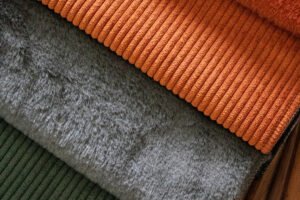
Fabric choice directly affects how long seating remains comfortable and visually appealing. High-quality upholstery fabrics are engineered to resist wear, fading, and staining.
Important fabric performance factors include:
- Abrasion resistance rating for long-term durability
- Color fastness to prevent fading under sunlight
- Breathability for temperature comfort
- Stain resistance for easy maintenance
Common fabric categories used in compact seating:
- Synthetic blends for durability and stain resistance
- Natural fibers for softness and breathability
- Performance fabrics designed for high-traffic environments
Selecting the right material ensures the seating remains functional and comfortable for years while maintaining its original appearance.
How interior designers incorporate compact seating into residential and office layouts
Interior designers often integrate compact seating into both residential and professional spaces to create functional seating zones. Many corporate spaces collaborate with office furniture suppliers in dubai to plan efficient seating layouts that maximize comfort and workflow efficiency.
Common placement strategies include:
Residential Spaces
- Bedroom reading corners
- Living room accent seating
- Entryway waiting seating
Office Spaces
- Reception waiting zones
- Private office seating corners
- Collaborative breakout spaces
Compact seating allows designers to introduce comfort without interrupting movement pathways or visual balance. It also supports flexible office layouts where spaces serve multiple functions.
Common ergonomic considerations when selecting small dual-user seating furniture
Ergonomics is critical for seating comfort, especially for furniture designed for daily use. Compact seating must provide proper support despite smaller dimensions.
Important ergonomic factors include:
- Seat Depth – Should support thighs without cutting circulation
- Backrest Angle – Should promote natural spine alignment
- Cushion Density – Should balance softness and support
- Armrest Height – Should reduce shoulder strain
- Seat Height – Should allow feet to rest flat on the floor
Testing seating posture before selecting furniture can help prevent long-term discomfort and improve overall seating satisfaction.
Conclusion
Compact two-person seating furniture plays an important role in modern interior design by combining comfort, efficiency, and aesthetic flexibility. Its evolution reflects changing lifestyles, smaller living spaces, and increased demand for multi-functional furniture solutions.
Understanding construction methods, fabric performance, ergonomic design, and placement strategies helps individuals and designers choose seating that supports both comfort and long-term usability.
FAQs
What makes compact two-person seating different from standard sofas?
Compact seating is designed for two people and occupies less space while still providing similar comfort levels. It is often used in smaller rooms or as accent seating.
Where is small dual seating most commonly used in modern interiors?
It is frequently used in apartments, bedrooms, offices, waiting areas, and reading corners where space efficiency is important.
How do fabric choices affect seating durability and maintenance needs?
High-quality fabrics resist stains, fading, and wear, reducing cleaning frequency and extending furniture lifespan.
What size room works best for compact two-person seating furniture?
Small to medium-sized rooms benefit most, but compact seating can also complement larger rooms as accent furniture.
How long does high-quality compact seating typically last?
With proper maintenance and quality materials, compact seating furniture can last many years while maintaining structural integrity and comfort.