Carpentry plays a major role in shaping functional and aesthetic interior and exterior spaces. From structural framing to decorative wood finishes, carpentry work supports construction, renovation, and interior design projects across residential, commercial, and industrial environments. Modern carpentry has evolved beyond traditional woodworking and now involves precision engineering, advanced tools, and customized interior solutions.
In fast-growing urban centers like Dubai, carpentry services are closely linked to modern architecture and smart interior planning. As buildings become more design-focused and space-efficient, professional carpentry work helps create customized storage, partitions, and decorative elements that improve both usability and appearance.

Understanding how carpentry services support residential and commercial interior structures and finishing details
Carpentry services form the backbone of interior finishing. They ensure that structures are stable, aligned, and visually polished. In homes, carpentry supports kitchen installations, wardrobes, shelving systems, and decorative moldings. In commercial spaces, carpentry supports office partitions, reception counters, and display units.
Key areas carpentry supports include:
- Interior door and frame installations
- Built-in storage and wardrobe systems
- Ceiling wood panel structures
- Custom shelving and display units
- Office workstation wooden framing
Many property owners rely on professional carpentry works in dubai to ensure installations meet building standards while matching design goals. Skilled carpentry ensures wood materials are cut, shaped, and assembled accurately to avoid long-term structural issues.
Detailed explanation of modern carpentry techniques used in interior design and architectural finishing work
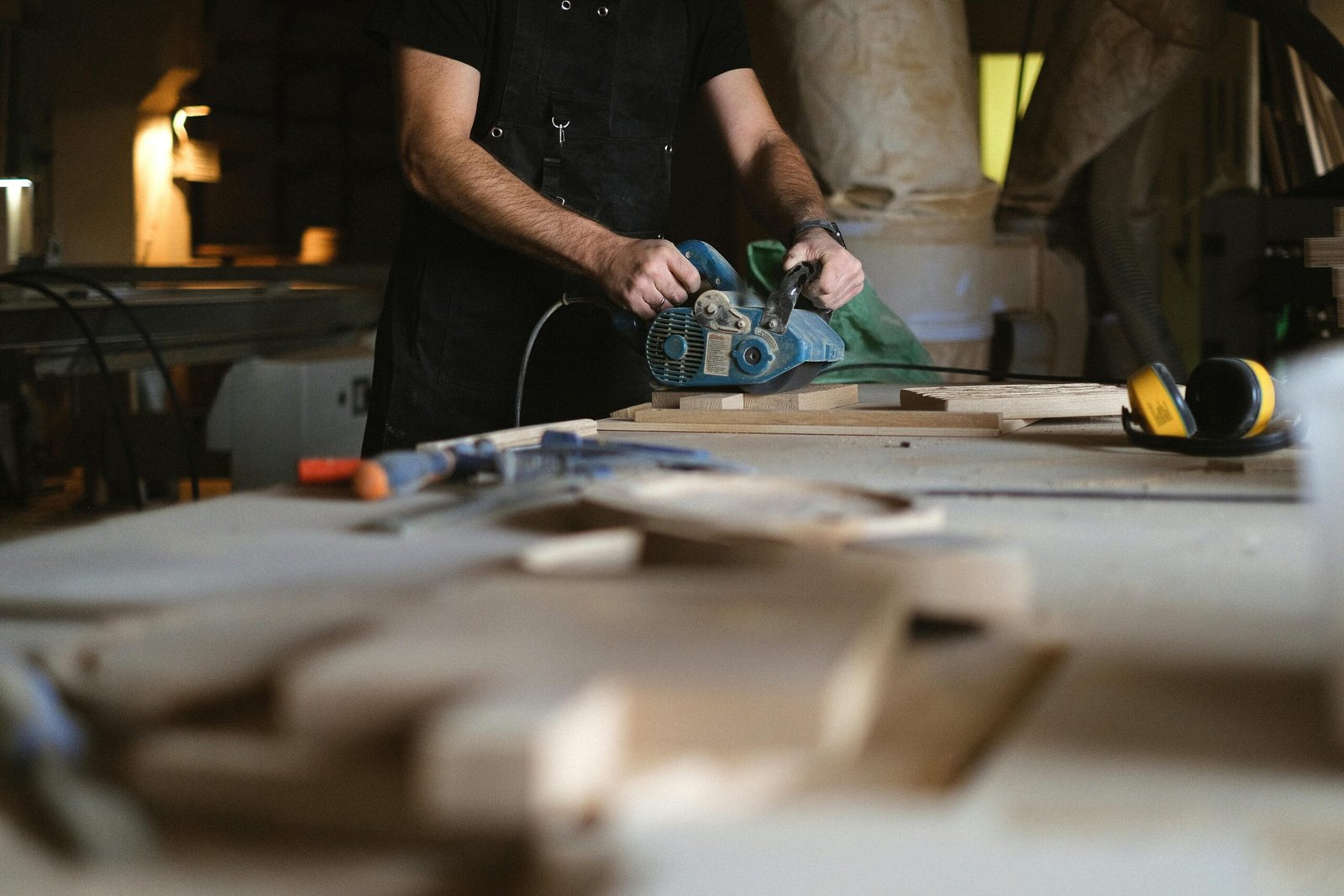
Modern carpentry combines traditional craftsmanship with technology-driven accuracy. Laser measurement tools, CNC cutting machines, and advanced fastening techniques allow carpenters to create complex designs with high precision.
Common modern carpentry techniques include:
- Modular carpentry construction for faster installation
- Precision joinery for seamless connections
- Engineered wood processing for improved durability
- Moisture-resistant finishing methods for humid environments
These methods help maintain consistency across large-scale projects such as hotels, offices, and residential towers. Modern finishing also focuses on smooth surface treatment, ensuring paint, polish, or veneer finishes last longer.
How customized woodwork improves space functionality and enhances interior layout efficiency in properties
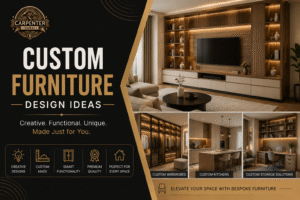
Customized carpentry solutions maximize space usability while maintaining visual harmony. Unlike standard furniture, custom woodwork is designed around room dimensions, structural columns, and user lifestyle needs.
Examples of functional custom carpentry:
- Built-in wall storage for small apartments
- Multi-purpose wooden room dividers
- Hidden storage compartments
- Integrated entertainment units
For example, installing a wooden partition wall can help divide large open areas while maintaining airflow and natural light. This type of installation is common in offices, studio apartments, and co-working environments.
Differences between structural carpentry work and decorative wood craftsmanship in modern buildings
Structural carpentry focuses on strength and load-bearing functionality, while decorative carpentry focuses on aesthetics and finishing detail.
Structural Carpentry Includes:
- Framework construction
- Subfloor installation
- Roof wooden framing
- Support beam installation
Decorative Carpentry Includes:
- Wall panel detailing
- Wooden ceiling features
- Decorative trims and moldings
- Custom furniture finishing
Both types often overlap in modern architecture because interior structures are expected to be both functional and visually appealing.
The role of skilled carpenters in installing partitions, storage units, and built-in wooden furniture pieces
Professional carpenters bring technical expertise that ensures installations are safe, level, and durable. Improper installation can lead to structural misalignment, noise issues, or premature material damage.
Professional carpenters typically handle:
- Site measurement and space assessment
- Material selection based on environment
- Structural support analysis
- Safe installation procedures
- Finishing and protective coating application
Their experience also helps identify potential problems like wall moisture, uneven flooring, or ventilation challenges before installation begins.
Common types of wood materials used in interior carpentry and their durability in different environments
Different wood types serve different purposes depending on durability, appearance, and cost-efficiency requirements.
Popular Carpentry Materials:
- Plywood: Stable and cost-effective for cabinets and partitions
- MDF (Medium Density Fiberboard): Smooth finish for painting
- Solid hardwood: High durability and premium appearance
- Engineered wood: Balanced strength and affordability
Material selection depends on:
- Indoor humidity levels
- Load-bearing requirements
- Design finish expectations
- Maintenance requirements
Choosing the right material ensures carpentry installations remain stable and visually appealing for years.
How professional carpentry improves space optimization in apartments, offices, and retail environments
Space optimization is one of the main reasons carpentry remains essential in modern buildings. Custom carpentry allows spaces to serve multiple functions without overcrowding.
Examples of optimized carpentry solutions:
- Vertical storage systems
- Foldable wooden workstations
- Wall-integrated media units
- Hidden shelving systems
Many interiors use customized tv units dubai to combine storage, cable management, and display functions into a single compact structure. This is especially useful in apartments where space efficiency is essential.
Conclusion
Carpentry work continues to evolve as architecture and interior design become more advanced and space-conscious. Modern carpentry is no longer limited to basic wood cutting and assembly; it now includes precision engineering, customized installations, and design-focused solutions.
Whether used for structural support, interior finishing, or space optimization, professional carpentry ensures durability, functionality, and aesthetic balance. As living and working spaces continue to change, carpentry remains a key element in shaping efficient and comfortable interiors.
FAQs
What services are usually included in professional carpentry work?
Professional carpentry typically includes wood cutting, installation, finishing, repair work, custom furniture creation, and structural wood framework support.
How do carpenters choose the right type of wood for projects?
They consider environmental factors, load requirements, moisture exposure, design finish goals, and long-term maintenance needs.
What is the difference between joinery and carpentry work?
Joinery focuses on creating wooden components like doors or cabinets, while carpentry focuses on installing and assembling those components on-site.
How long does custom carpentry work typically last?
With proper installation and maintenance, high-quality carpentry installations can last many years, depending on material quality and environmental exposure.
What factors affect durability of interior wood installations?
Humidity levels, sunlight exposure, maintenance frequency, wood type, and installation quality all affect durability.
How do carpentry solutions improve interior space organization?
Custom carpentry allows furniture and storage to be designed specifically for the space, reducing clutter and improving functionality.