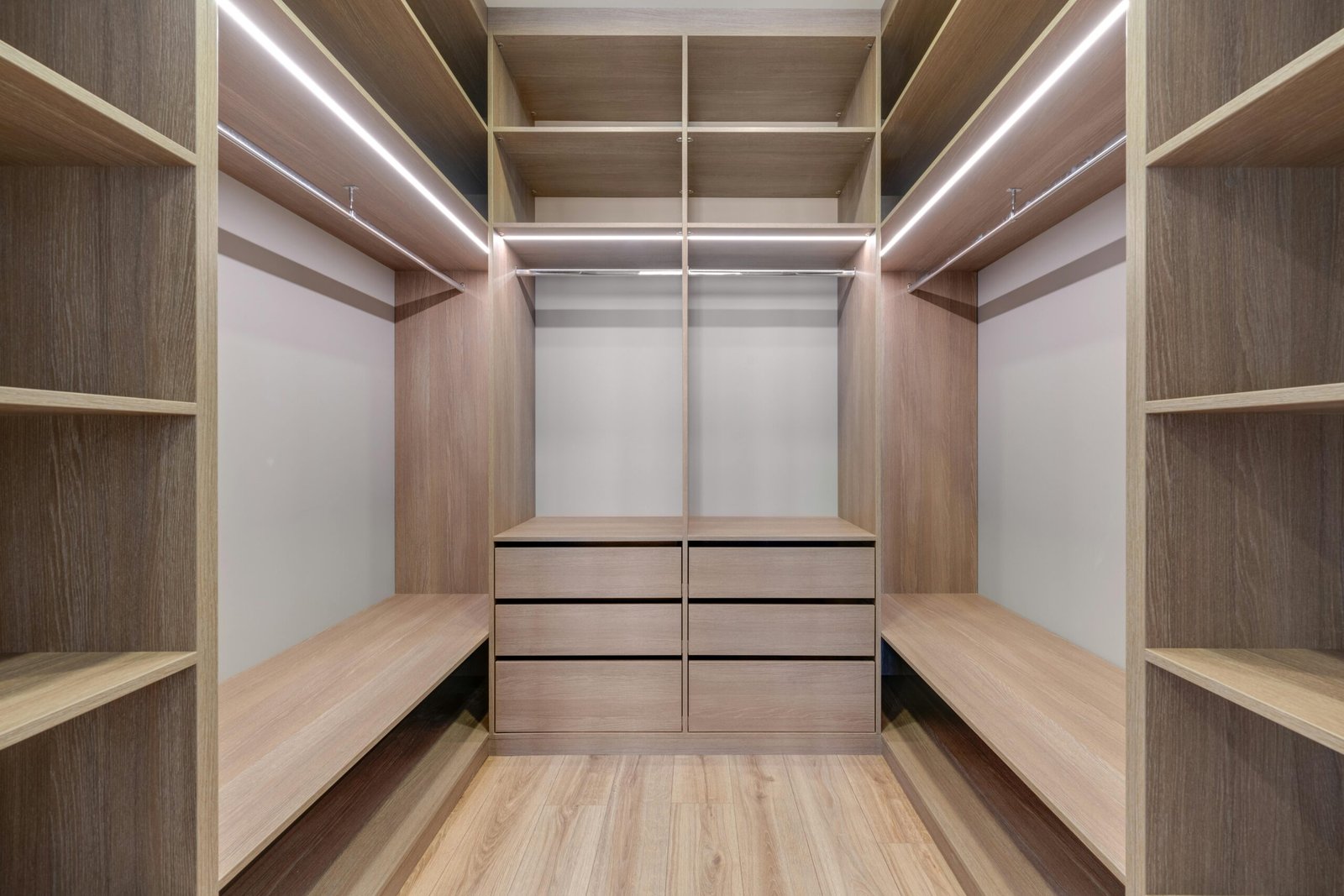
Modern interior design has shifted toward personalization, functionality, and efficient use of space. Storage solutions are no longer limited to standalone wardrobes or basic storage cabinets. Instead, homeowners increasingly focus on solutions that match their lifestyle, home layout, and climate conditions. Personalized wardrobe systems are becoming a core feature in modern residential design because they provide both organization and visual harmony.
Customized storage helps eliminate clutter, improve accessibility, and create dedicated storage zones for different categories of clothing and accessories. In fast-growing urban environments, efficient space utilization is essential. Tailored storage solutions help residents manage limited space while maintaining comfort and convenience in their daily routines.
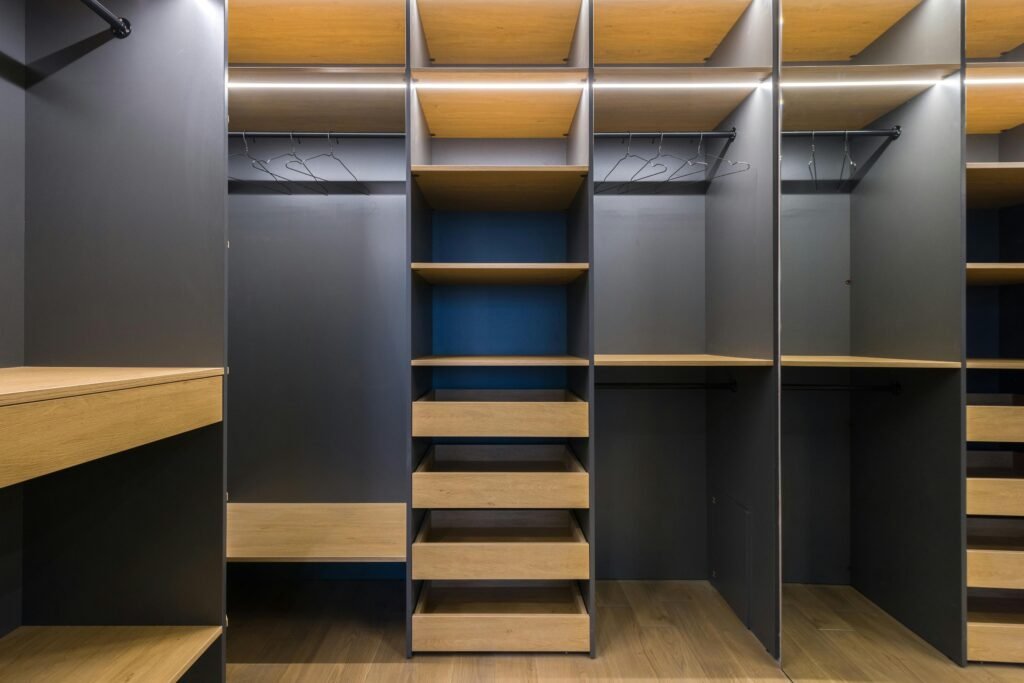
How personalized wardrobe solutions adapt to climate and lifestyle requirements
Climate plays an important role in storage design, especially in regions with heat and humidity. Storage systems must protect clothing and accessories from environmental damage while maintaining proper airflow.
Key climate-adaptive wardrobe features include:
- Moisture-resistant materials
- Ventilation panels to reduce humidity buildup
- Protective finishes for wood surfaces
- Temperature-resistant hardware components
Lifestyle also influences wardrobe design. People with active outdoor lifestyles may need sections for sportswear and seasonal items, while professionals may require separate zones for formal clothing. Many homeowners exploring storage planning often research solutions such as custom wardrobe dubai to understand how storage layouts can be adapted to local environmental and lifestyle conditions.
Important considerations when planning wardrobe layouts for residential interiors
Effective wardrobe planning starts with understanding user habits and storage needs. The layout should be based on daily usage frequency and clothing categories.
Important planning factors include:
- Number of users sharing the wardrobe
- Types of clothing and accessories stored
- Available room dimensions and wall structure
- Lighting and visibility requirements
- Future storage expansion needs
Separating storage into daily use, occasional use, and seasonal storage zones improves efficiency and reduces clutter.
Differences between sliding door wardrobes and hinged door wardrobe systems
Wardrobe door types influence both usability and space efficiency. Choosing the right door style depends on room size, accessibility needs, and design preferences.
Sliding door wardrobes:
- Save space by eliminating door swing area
- Provide modern and minimalist aesthetics
- Work well in smaller rooms
Hinged door wardrobes:
- Allow full wardrobe access at once
- Often easier to maintain
- Suitable for larger rooms with more clearance
Understanding these differences helps homeowners choose storage systems that align with room functionality.
How interior wardrobe accessories improve clothing storage organization efficiency
Accessories inside wardrobe systems significantly improve organization and usability. These elements help create designated storage zones for different items.
Common interior accessories include:
- Pull-out drawers for smaller clothing items
- Adjustable shoe racks
- Jewelry organizers
- Belt and tie holders
- Storage baskets for seasonal items
Storage optimization often extends beyond wardrobes into other lifestyle furniture and relaxation spaces. Some homeowners exploring complete interior comfort solutions also look into furniture options such as a sunbed when planning multifunctional living environments.
Understanding ventilation, lighting, and durability factors in wardrobe design
Proper ventilation prevents moisture buildup and protects clothing quality over time. Lighting ensures visibility, especially in deep storage compartments.
Important design factors include:
- LED strip lighting for energy-efficient illumination
- Ventilation gaps or airflow channels
- Durable hinges and sliding tracks
- Scratch-resistant finishes
Durability ensures wardrobe systems maintain their structure and appearance despite frequent daily use.
The role of carpentry craftsmanship in long lasting wardrobe construction quality
Skilled craftsmanship directly impacts wardrobe durability and structural stability. Proper joinery, material handling, and finishing techniques determine how long storage systems last.
High-quality craftsmanship ensures:
- Strong structural joints
- Smooth door operation
- Even weight distribution across shelves
- Professional finishing for long-term appearance
In shared living spaces such as children’s rooms or compact apartments, storage solutions often integrate with privacy and space optimization features. Some families researching bedroom organization also consider solutions like bed curtain when planning shared sleeping environments.
How space planning principles influence wardrobe usability in modern homes
Space planning focuses on maximizing usability while maintaining visual balance. Storage should complement room layout rather than disrupt movement or design harmony.
Key space planning principles include:
- Keeping frequently used items at eye level
- Using vertical storage for seasonal items
- Maintaining walkway clearance
- Aligning wardrobe placement with natural lighting
Proper planning ensures wardrobes enhance room functionality without making spaces feel crowded or restricted.
Conclusion
Personalized wardrobe systems have become essential in modern home design because they provide organization, space efficiency, and long-term functionality. By considering climate factors, layout planning, accessory integration, and craftsmanship quality, homeowners can create storage systems that support daily routines and evolving lifestyle needs.
As living spaces continue to evolve, customized storage solutions will remain an important element of comfortable and functional home environments.
FAQs
What is the difference between a standard wardrobe and a custom wardrobe?
Standard wardrobes follow fixed sizes and layouts, while customized wardrobes are designed around user needs, room dimensions, and storage habits.
Why are built-in wardrobe systems becoming more common in cities?
They help maximize limited space, improve organization, and integrate seamlessly into modern interior design styles.
How do wardrobe interiors impact clothing maintenance and storage?
Well-designed interiors improve airflow, reduce wrinkles, and make clothing easier to access and maintain.
What features improve wardrobe usability for families?
Adjustable shelving, shared storage zones, labeled compartments, and flexible layouts help families manage storage efficiently.
How often should wardrobes be maintained for long-term use?
Regular cleaning, hinge inspection, and ventilation checks every few months help maintain wardrobe quality and performance.