Impact Absorption Standards for Fall Zones Under Play Structures
In childcare environments such as nurseries in Dubai, impact absorption under play structures is a core safety requirement designed to reduce injury risk from falls.
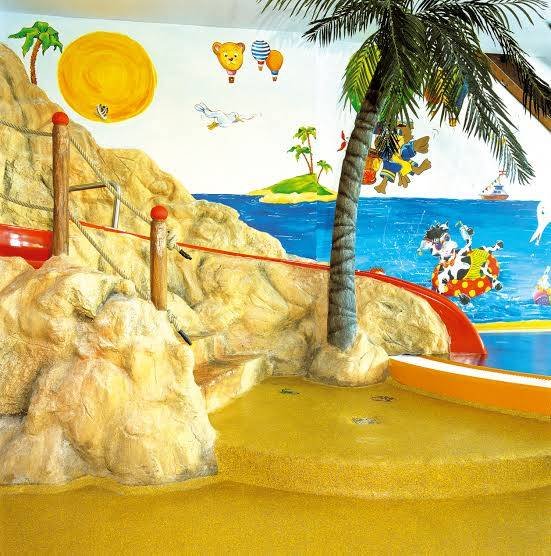
Fall zone flooring is typically evaluated based on critical fall height performance, which measures how well a surface dissipates impact energy. Materials such as cushioned vinyl systems, rubber flooring, and foam-backed safety floors are engineered to compress under load, reducing the force transmitted to a child’s body.
The key design principle is controlled deformation: the surface must be soft enough to absorb impact but firm enough to allow stable walking and running. Proper installation thickness and underlayment selection are essential to meet safety performance expectations in active play areas.
How Phthalate-Free Vinyl Meets Dubai Daycare Safety Regulations
Phthalate-free vinyl is widely used in childcare facilities due to stricter indoor air quality and chemical safety requirements in Dubai.
Phthalates are plasticizers historically used to increase flexibility in PVC flooring. Modern daycare-grade vinyl eliminates these compounds to reduce potential health risks and improve indoor air quality.
Benefits include:
- Lower VOC emissions
- Compliance with childcare safety standards
- Improved odor neutrality in enclosed spaces
- Safer long-term exposure for children
This makes it a preferred flooring solution for nurseries, early learning centers, and pediatric zones.
Easy-Clean Flooring for Art and Snack Areas with Spills
Art and snack zones in nurseries require flooring that can handle frequent spills from paint, juice, food, and craft materials.
Ideal flooring characteristics include:
- Non-porous or sealed surfaces
- Resistance to staining from pigments and sugars
- Compatibility with frequent wet cleaning
- Slip resistance even when wet
Coved edges are often used where flooring meets walls to prevent liquid seepage and simplify cleaning procedures. This reduces long-term hygiene risks in high-activity areas.
Acoustic Flooring to Reduce Noise in Open-Plan Nursery Rooms
Open-plan nursery environments can quickly become acoustically overwhelming due to high activity levels and multiple simultaneous sound sources.
Acoustic flooring helps by:
- Absorbing impact noise from running and jumping
- Reducing echo in large open rooms
- Minimizing sound transmission to adjacent spaces
In childcare facilities across Dubai, cushioned vinyl and rubber-backed systems are commonly used to create a calmer environment that supports concentration, communication, and rest periods.
Warm Underfoot Materials for Floor Napping Areas
Comfort during rest periods is essential in nursery design, especially in designated nap zones.
Warm underfoot flooring materials include:
- Cushioned vinyl with foam backing
- Rubber flooring with thermal comfort layers
- Carpet tiles with low pile density
These materials reduce heat loss from the body to the floor, making resting areas more comfortable without requiring high HVAC adjustments. The goal is a soft, thermally neutral surface that supports relaxation.
Anti-Microbial Additives in Flooring to Reduce Germ Spread
Anti-microbial flooring technologies are designed to reduce microbial growth on the surface, supporting hygiene in high-contact environments.
These additives:
- Inhibit bacterial and fungal growth on flooring surfaces
- Reduce odor formation caused by microbes
- Support routine cleaning protocols
While not a substitute for cleaning, they provide an additional layer of protection in environments where children frequently share toys, food areas, and floor space.
How to Hide Scuff Marks from Ride-On Toys and Tricycles
Scuff marks from wheels, toys, and movement equipment are common in nursery environments.
Effective strategies include:
- Using textured or patterned vinyl surfaces
- Selecting mid-tone colors that mask abrasion
- Applying protective surface coatings
- Regular maintenance polishing or buffing (for compatible systems)
In high-traffic childcare settings in Dubai, durability and visual resilience are key design priorities.
Transitioning Between Play Area Vinyl and Carpeted Reading Corners
Transitions between hard and soft flooring zones must be both safe and visually clear.
Best practices include:
- Flush transition strips to avoid trip hazards
- Gradual visual color changes to define zones
- Slight level equalization between materials
- Soft edging where children frequently sit or crawl
This helps define functional zones while maintaining a safe, continuous play environment.
Why Seamless Floors Prevent Liquid from Reaching Subfloor
Seamless flooring systems are critical in nursery environments where spills are frequent and unpredictable.
They work by:
- Eliminating joints where liquids can penetrate
- Preventing bacterial growth beneath the surface
- Making cleaning faster and more effective
- Protecting the structural subfloor from moisture damage
Frequently Asked Questions
Can interlocking foam mats be used as permanent daycare flooring?
No, they trap dirt and tear easily; use commercial vinyl or rubber sheet goods.
What’s the easiest flooring to clean after paint and glue spills?
Polished vinyl sheet flooring with coved base; no grout lines to trap mess.
Is cork flooring safe for nurseries with mouthing toddlers?
Yes if sealed with non-toxic, saliva-safe topcoat; unsealed cork is not safe.
How to reduce echo in a daycare with hard flooring?
Add acoustic ceiling panels, soft wall coverings, and area rugs over fixed floor.
Does Dubai Municipality require fall rating for nursery flooring?
Yes under play equipment; flooring must meet critical fall height standards.
Can I install radiant heating under nursery flooring?
Yes with electric mats under vinyl or rubber; keep surface temperature comfortable.
How often should daycare floors be disinfected?
Multiple times daily in high-touch zones; deep clean nightly.
What flooring resists stains from formula and baby food best?
Luxury vinyl sheet with polyurethane topcoat; wipe clean without staining.
Is rubber flooring safe for infant crawling areas?
Yes, choose vulcanized rubber with no off-gassing and smooth, non-porous surface.