Carpentry plays a foundational role in shaping interior environments, influencing both structural reliability and visual design quality. In rapidly developing metropolitan regions like Dubai, carpentry work supports residential construction, commercial interior design, hospitality projects, and retail fit-outs. Understanding how carpentry functions helps property owners, designers, and project managers make better planning decisions.
From structural frameworks to decorative wood finishing, carpentry contributes to both functional and aesthetic elements of interior spaces. Whether used in wall structures, storage systems, or decorative installations, professional carpentry ensures precision, durability, and long-term usability.

Detailed explanation of structural carpentry versus decorative carpentry and how each supports functional building interior systems
Carpentry work can generally be divided into structural and decorative categories, each serving different purposes within interior construction.
Structural Carpentry Includes:
- Door and window framing
- Wall framework support
- Structural wood reinforcement
- Load-supporting wood installations
Decorative Carpentry Includes:
- Wall paneling
- Storage units and shelving
- Decorative wooden accents
- Integrated furniture installations
Structural carpentry focuses on safety and load distribution, while decorative carpentry enhances interior design aesthetics. Both types often work together to create cohesive interior environments.
When studying examples of professional interior projects, reviewing services offered by an experienced carpentry work in dubai provider can help illustrate how these two areas combine in real-world construction and renovation scenarios.
How modern carpentry techniques integrate with contemporary interior architecture and smart home infrastructure systems
Modern carpentry has evolved beyond traditional wood cutting and installation. Today’s carpenters work alongside architects and technology specialists to integrate woodwork with smart home systems.
Modern integrations include:
- Hidden wiring channels inside wooden panels
- Smart lighting integration inside wooden ceiling structures
- Motorized storage units
- Acoustic wooden panel installations
Technology has also improved fabrication accuracy using digital measurement tools and CNC cutting methods. These advancements improve installation precision and reduce material waste.
Step by step overview of carpentry workflow from design consultation through installation and finishing stages
Carpentry projects follow systematic steps to ensure quality outcomes.
Step 1: Consultation and Planning
- Space evaluation
- Functional requirement analysis
- Initial concept discussion
Step 2: Design Development
- Technical drawings
- Material selection
- Structural safety considerations
Step 3: Fabrication
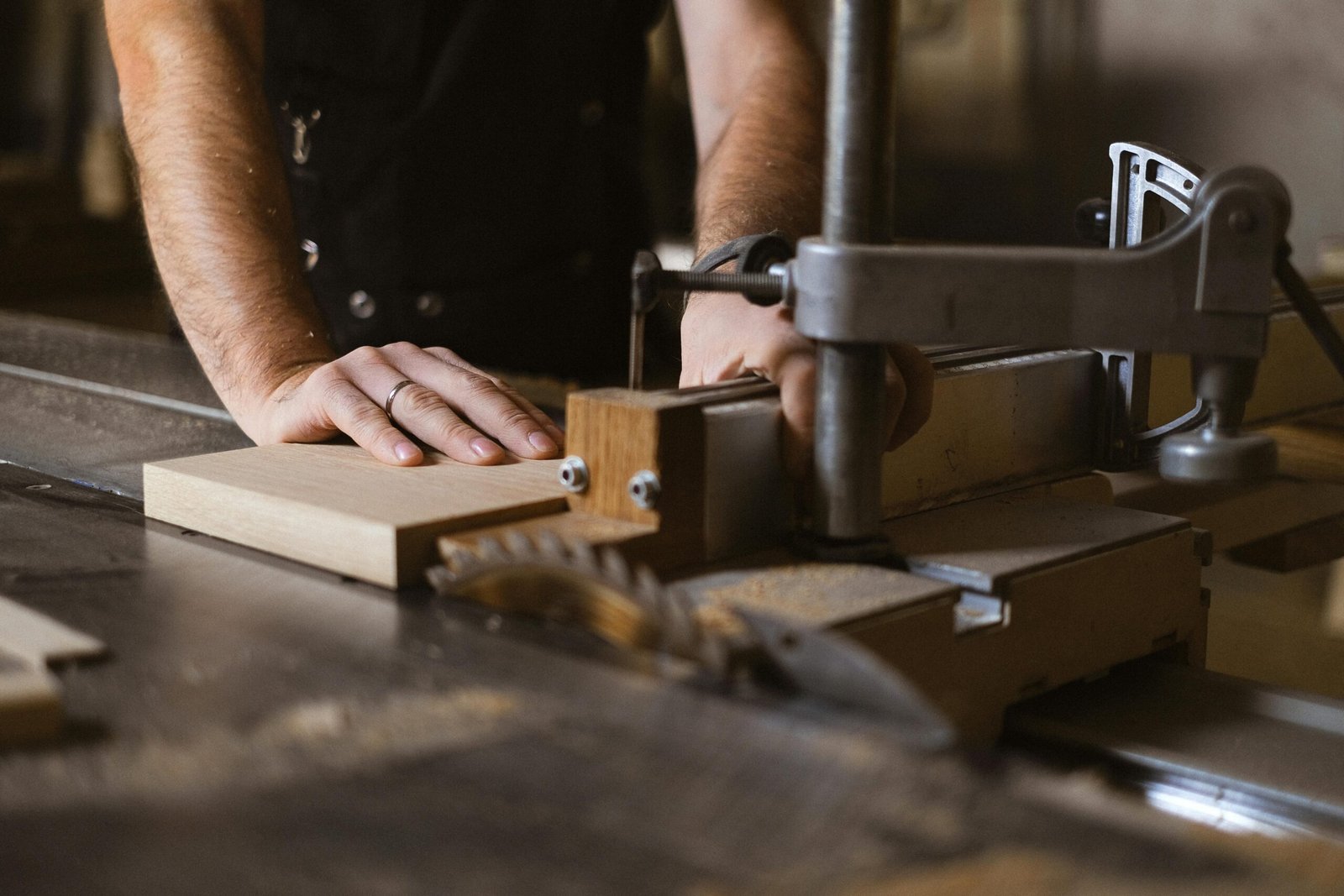
- Material cutting and shaping
- Component assembly
- Pre-finishing preparation
Step 4: Installation
- On-site installation
- Alignment and fitting checks
- Final finishing and polishing
Following structured workflow stages ensures consistent quality and predictable project timelines.
Common safety standards and compliance guidelines followed during professional wood construction and interior installation tasks
Professional carpentry follows strict safety and construction guidelines to ensure long-term structural reliability.
Safety considerations include:
- Load-bearing calculations for wall-mounted structures
- Fire resistance material treatments
- Proper fastening hardware selection
- Moisture protection and sealing methods
Compliance standards help ensure installations remain safe even after years of daily use. Safety-focused carpentry reduces risks associated with structural failure or material degradation.
The environmental sustainability impact of responsibly sourced wood materials used in interior carpentry manufacturing
Sustainable carpentry practices are becoming more important globally. Responsible wood sourcing helps reduce environmental impact and supports long-term forest conservation.
Sustainable carpentry may involve:
- FSC-certified wood sourcing
- Recycled wood material usage
- Low VOC finishing materials
- Efficient material cutting to reduce waste
Environmentally responsible material selection supports long-term ecological balance while maintaining durability and performance standards.
How carpentry contributes to space optimization, storage efficiency, and long term interior usability in urban properties
Urban living spaces often require efficient use of limited square footage. Custom carpentry helps maximize storage while maintaining visual harmony.
Examples include:
- Built-in wardrobes
- Multi-functional shelving systems
- Hidden storage compartments
- Wall-mounted entertainment units
Interior wood installations such as a wooden partition can also help divide open spaces while maintaining airflow and light distribution, making them useful for apartments, offices, and studio layouts.
Efficient carpentry design improves space usability without overcrowding interiors.
Differences between wall integrated carpentry elements and standalone furniture in structural and visual performance
Wall-integrated carpentry installations differ significantly from standalone furniture in terms of performance and durability.
Wall Integrated Carpentry Advantages
- Strong structural support
- Better space utilization
- Seamless visual appearance
- Long-term installation stability
Standalone Furniture Advantages
- Mobility and flexibility
- Easier replacement
- Lower installation complexity
Integrated solutions often provide better long-term performance in fixed interior layouts. For example, integrated entertainment installations such as a wood panels dubai system can enhance acoustic insulation while improving visual aesthetics.
Choosing between integrated and standalone options depends on usage needs, property type, and design goals.
Conclusion
Carpentry work plays a vital role in shaping safe, functional, and visually appealing interior spaces. From structural installations to decorative finishes, professional carpentry supports both building integrity and interior design quality.
Understanding carpentry processes, materials, and installation standards helps property owners and project planners make informed decisions. Well-planned carpentry installations improve space usability, enhance durability, and support long-term maintenance efficiency.
FAQs
What types of projects require professional carpentry expertise?
Projects involving custom furniture, wall paneling, structural wood framing, storage systems, and interior wood installations typically require professional carpentry expertise.
How does carpentry support interior structural integrity?
Carpentry provides structural reinforcement for walls, frames, and mounted installations, ensuring safe load distribution and long-term stability.
What skills are essential for modern professional carpentry work?
Modern carpentry requires technical measurement skills, material knowledge, design interpretation, fabrication expertise, and installation precision.
How is carpentry different from general furniture manufacturing?
Carpentry often involves structural installations and custom interior integrations, while furniture manufacturing focuses on standalone movable pieces.
What maintenance is required for interior wooden installations?
Maintenance typically includes surface cleaning, periodic polishing, moisture protection, and inspection of joints and fasteners to maintain long-term performance.